Home / Housing providers and councils / Awaab’s Law
For housing associations and councils
Since 27 October 2025, social landlords in England have had legal deadlines to investigate and fix damp and mould. From 30 November 2026, subject to Parliamentary approval, excess cold and six more hazard groups join them. Here is what the law asks of you, and where ventilation, insulation and heating fit in.
What it is
Awaab’s Law is the name for the Hazards in Social Housing (Prescribed Requirements) (England) Regulations 2025. Section 42 of the Social Housing (Regulation) Act 2023 writes compliance with them into every social tenancy in England as an implied term, so a landlord who misses a deadline is in breach of the tenancy.
Tenants enforce it through the courts, which can order the work to be done and award damages. The Housing Ombudsman decides complaints, and the Regulator of Social Housing expects compliance under its Safety and Quality Standard. The Ombudsman has said that contractor delay is not a valid reason for missing a deadline.
It does not ask landlords to retrofit their stock. It asks them to fix the cause of a hazard, and government guidance says that where damp and mould comes from missing ventilation or poor insulation, that can mean installing mechanical ventilation or effective insulation.
The law is named after Awaab Ishak, who died in December 2020, aged two, from a respiratory condition caused by prolonged exposure to mould in his family’s flat in Rochdale. The coroner found that action to treat and prevent the mould was not taken, and that the home’s ineffective ventilation had not been properly considered.
The timeline
Phase 1 covers damp and mould. Phase 2 adds excess cold, the hazard that insulation, heating and ventilation do most to prevent.
Fixed deadlines for significant damp and mould hazards, and 24 hours for emergency hazards of any kind except overcrowding.
Due to come into force on 30 November 2026, subject to Parliamentary approval. The deadlines stay the same.
All remaining Housing Health and Safety Rating System hazards except overcrowding.
The Renters’ Rights Act 2025 lets government extend the law to private tenancies and some licences. The earliest start it calls feasible is 2027.
From S.I. 2025/1042, the draft amendment regulations laid on 13 July 2026, and MHCLG guidance. Phase 2 is subject to Parliamentary approval. Checked 19 October 2026.
The deadlines
Day zero is the day the landlord becomes aware, and awareness can come through a contractor. If the safety work cannot be done in time, the landlord must provide suitable alternative accommodation at no cost to the tenant.
Emergency hazards: investigate and complete the work to make the home safe.
Significant hazards: complete the investigation, counted from the day after you become aware.
Give the tenant a written summary of what was found and what happens next.
Complete the safety work. Work to stop the hazard coming back must start within 5 working days, or within 12 weeks where that is not practicable.
Working days exclude weekends, bank holidays, Christmas Day and Good Friday. From regulations 5 to 16 of S.I. 2025/1042; Phase 2 keeps the same timescales.
Why retrofit matters
The English Housing Survey found damp in 291,000 social rented homes in 2024, 6.9% of the sector, and it has risen since 2022. Condensation forms where warm, moist air meets a cold surface and has nowhere to go. Government guidance says it is unreasonable to blame damp and mould on tenants’ lifestyles: cooking, washing and drying clothes are normal life.
So the fixes are physical. Insulation warms the cold walls, roofs and floors. Ventilation takes the moisture out. Heating the household can afford to run keeps the surfaces warm. Government’s own template letter for landlords lists better ventilation as safety work and better insulation as work to stop condensation coming back.
Ventilation, first
Ventilation upgrades have been part of every whole house programme our team has delivered, from continuous extract at Aspire Housing to the full ventilation upgrades in Darlington and York. The right system depends on the home, so it comes out of the survey and the retrofit design, not a catalogue.
Installing mechanical ventilation and replacing windows are controlled work under the Building Regulations, and ventilation work must not compromise other safety features such as fire compartmentation in blocks of flats.
How we help
We cannot take on a landlord’s legal duty, but we can make it easier to meet: finding the cause, fixing it properly and leaving the evidence on file.
Track record
 Damp remediationKirklees CouncilFailed cavity fill extracted, walls dried and refilled, with ventilation and damp proofing, in occupied council homes.
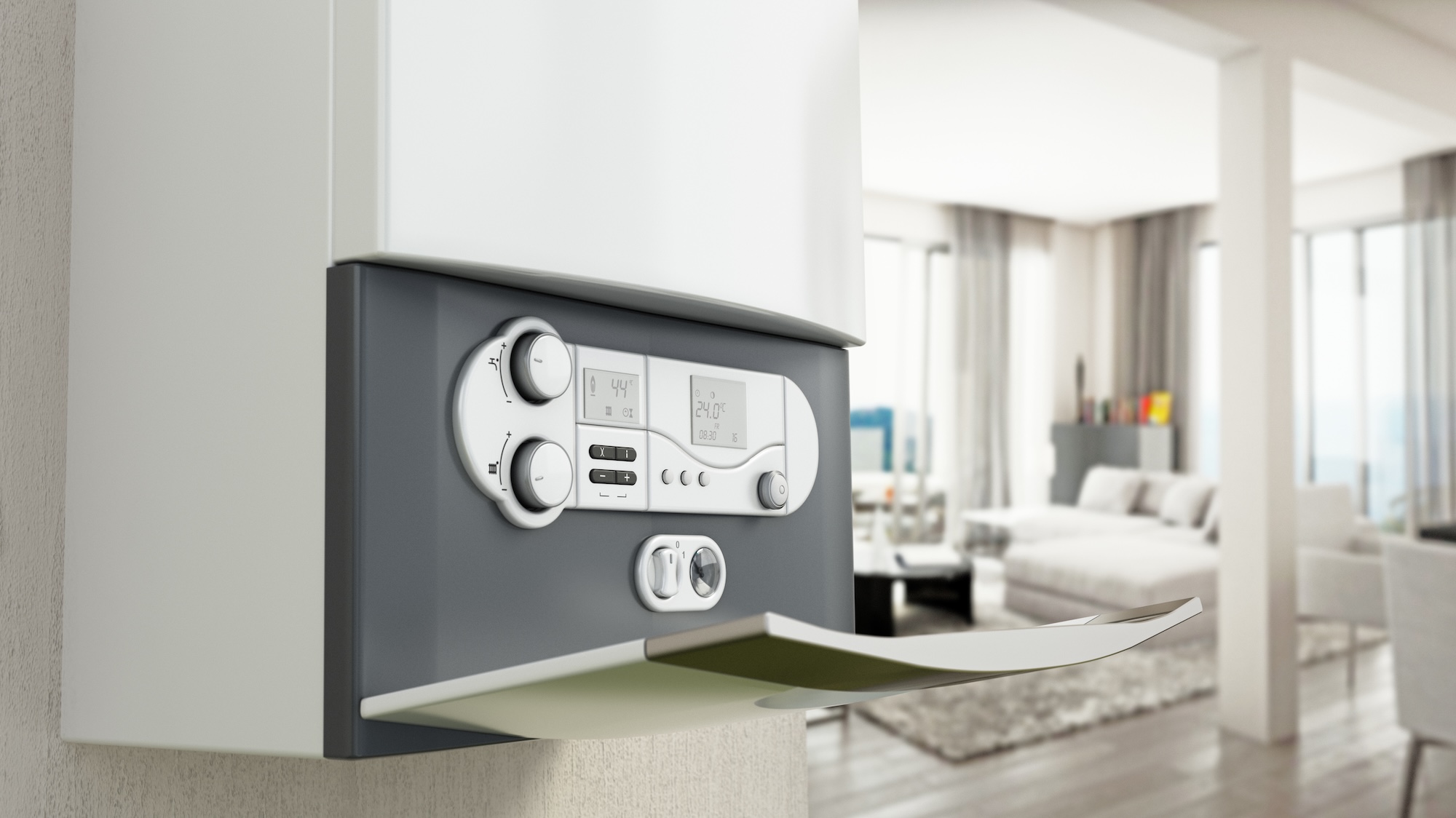 Ventilation and heatingAspire HousingContinuous extract ventilation, new heating, windows and loft insulation. Every home upgraded in year one reached band C.
 Whole houseNorth Star Housing, DarlingtonBrick effect wall insulation with new windows, heat pumps and full ventilation upgrades, tenants at home.
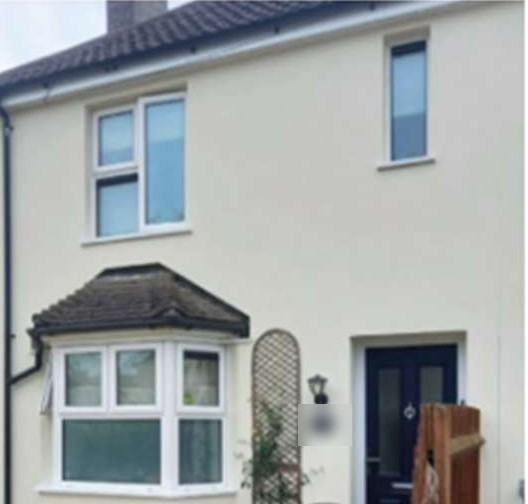 Whole houseDurham County Council250 homes and 690 measures, with ventilation upgrades alongside wall, loft and flat roof insulation.
Questions
No. It requires landlords to investigate and fix specific hazards to fixed deadlines, and government guidance says it is not intended to drive large scale improvement works. But where damp and mould comes from missing ventilation or poor insulation, fixing that cause is part of the duty, and retrofit is how you stop the same hazard coming back.
Phase 2 is due to come into force on 30 November 2026, subject to Parliamentary approval. It adds excess cold, excess heat, falls, structural collapse, fire and explosions, electrical hazards and domestic hygiene to damp and mould.
The Housing Ombudsman says contractor delay is not a valid reason for missing the deadlines and may lead to a finding of maladministration, and expects landlords to have systems that keep contractors to the timescales. Talk to us about the response times you need before work starts.
Not yet. The Renters’ Rights Act 2025 allows government to extend it to private tenancies and some licences. A consultation runs until 18 December 2026, and government says 2027 is the earliest feasible start.
Social homes must reach EPC C on one of three measures by 1 April 2030, and the new Decent Homes Standard, applying from 2035, adds criteria for damp and mould and for thermal comfort. Government says meeting these standards should mean fewer cases ever reach Awaab’s Law.
It can if ventilation is not addressed. Government guidance says ventilation must be considered alongside any energy efficiency work, and PAS 2035 takes a whole house approach for that reason. PAS 2035 is required on government funded schemes.
The addresses or postcodes, what residents are reporting, any stock condition data you hold, and what has been installed before, especially cavity fill. We will tell you what to survey first.
Talk to us
Whether it is a handful of damp and mould cases or a stock wide plan for excess cold, we will come back within one working day with questions and a view on what to survey first.
Sources
A plain English summary for landlords, checked against the sources above on 19 October 2026. It is not legal advice.
Occasional news on retrofit funding, insulation, solar and home energy. Unsubscribe at any time. Privacy policy