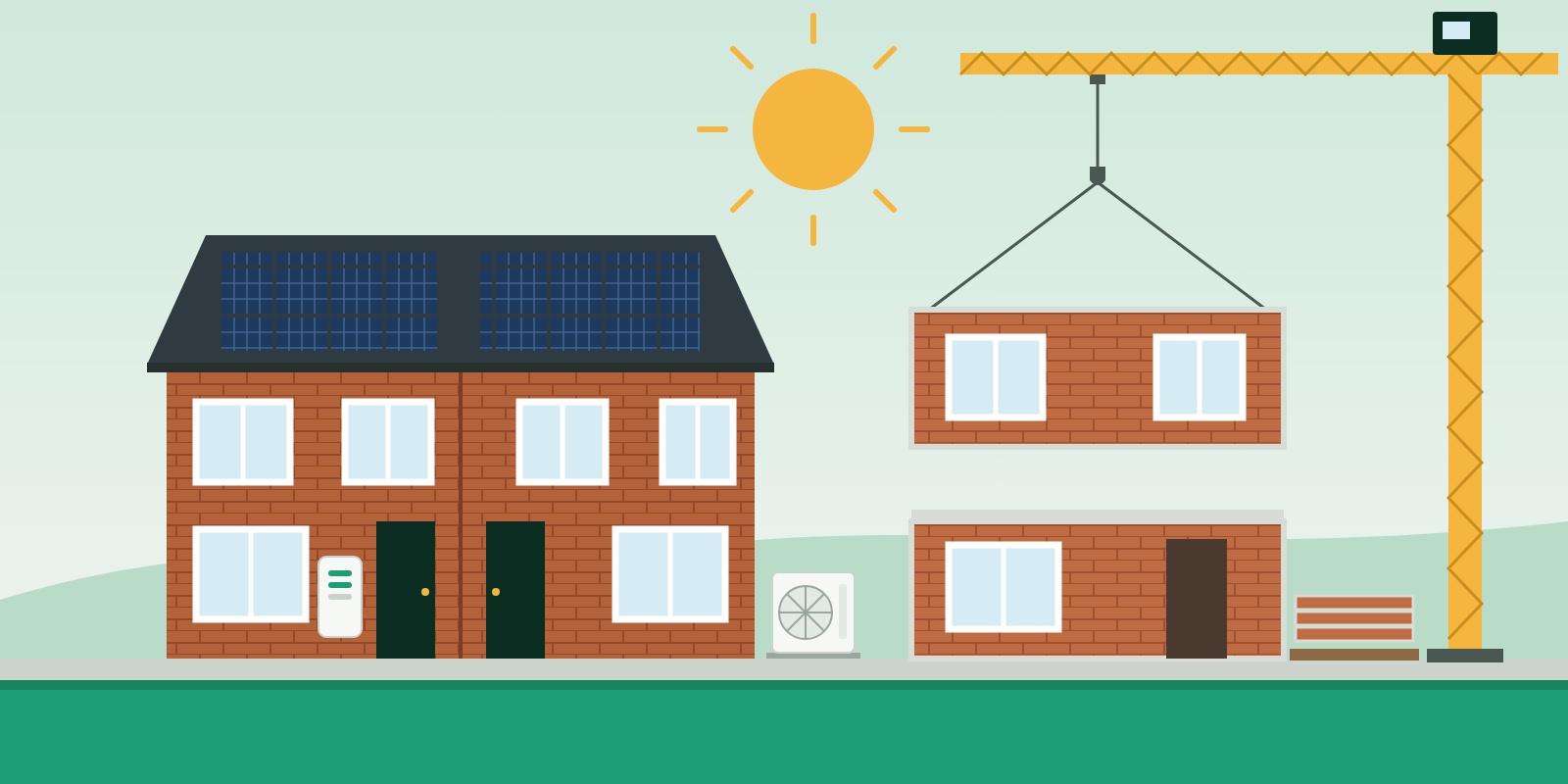
Illustration: a brick-slip wall panel craned onto a factory-built house, next to finished homes with solar panels, a battery and a heat pump.

In a clip from Channel 4's Guy Martin's House Without Bills, Guy helps build a house wall in a Birkenhead factory, then holds up an energy bill, addresses blanked out, that comes to zero. Both are real. The zero comes from a tariff, though, not from the factory, and that difference decides whether the idea can reach the homes most of us already live in.
We had no part in the programme, the factory or the tariff. We deliver retrofit for councils, housing associations and homeowners, so we watched it as people who fit the same kit to existing homes.
Prefabs are a British habit, not a new idea
The clip opens on newsreel of the post-war prefab. With homes lost in the war and a desperate shortage, the government paid for factory-made bungalows that arrived as a kit of parts and went up in hours. Historic England counts 156,623 prefab bungalows built between 1945 and 1949 under the Temporary Housing Programme. They were meant as temporary homes, yet the Prefab Museum reckons around 8,000 are still standing.
The new version is not a bungalow kit. Starship Homes, the company Guy visits, makes two-storey houses as flat wall panels in a converted oil refinery in Birkenhead. The terrace he walks round, built from panels made two miles away, is social housing at subsidised rents. The wall he helps make is going to a development of 14 houses in Manchester.
What the factory changes
- Weather. On an open site, bricklaying should stop when it gets near freezing, because the mortar will not cure properly. Starship's team say site crews often carry on when they should not. Indoors, the work and the tolerances hold all year.
- Speed. A lorry brings about ten panels and the shell goes up in a day and a half. Plasterers, electricians, plumbers and kitchen fitters then follow, as on any build. In 2024 Starship told Place North West that its show home took about a week in the factory and two days on site, on a light gauge steel frame with insulation and brick slips.
- Skills. Panels are built from a step-by-step guide, and real brick slips are glued on by hand so the wall reads as brickwork. With a few minutes' coaching, Guy finishes a section in about ten minutes. That matters when the industry is short of bricklayers.
- Consistency. A factory repeats the same junctions and seals on every panel. On site, those details are where airtightness, and with it the heat, tends to get lost.
Where the zero bill actually comes from
Guy does not name the supplier on camera, beyond a hint about eight legs. The ten-year guarantee and the hint point to Octopus Energy's Zero Bills, and Starship showed a Zero Bills home with Octopus in Liverpool in September 2024.
Zero Bills is a tariff, not a building standard. Octopus describes it as a smart tariff that guarantees eligible customers no home energy bills for five or ten years, depending on the agreement with the developer, as long as they live in a Zero Bills approved home. The battery and heat pump have to be connected to Octopus, with a smart meter, and Octopus's own releases describe these homes as having solar panels, a battery and a heat pump.
The clip explains the economics in a line: the panels make more electricity than a home like this needs, the surplus goes to the grid, and that is where the energy company takes its cut. Octopus's software monitors each home and manages the battery and export. That is why the guarantee is tied to an approved home and specification, rather than offered to any house with a few panels.
Green steps are the build. Amber steps are the energy system and the deal that makes the bill zero.
It is not limited to private buyers. The first social housing tenants on Zero Bills moved into six homes at Nexa Fields in Exeter, built by Verto Homes for SNG, in December 2024. By April 2026 Octopus said it had approved more than 6,000 Zero Bills homes with developers and was aiming for 100,000 by 2030.
We deliver ventilation, insulation, solar and battery programmes in occupied homes. Send us the stock list and the dates, and we come back within one working day.
The small print
- It runs out. The guarantee lasts five or ten years, starting at first occupation on a new build. It is not a promise for the life of the house.
- It has a cap. Each home has its own fair use cap. Use more and you pay for the extra at the standard variable rate, though Octopus says there is still no standing charge. Charging an electric car is not covered.
- It ties you to one supplier. You have to be an Octopus customer, with the battery and heat pump connected to its app.
- The kit has to keep working. The arrangement depends on the panels, battery and heat pump doing their jobs, so servicing and repairs matter as much as on any other home.
- Factory building has a mixed record. Ilke Homes, one of the best known modular builders, went into administration in June 2023 and most of its staff were made redundant. A factory needs a steady pipeline of orders.
- Lenders want assurance. Homes built with non-traditional methods are easier to value and mortgage when the system is accredited under a scheme such as BOPAS, the Buildoffsite Property Assurance Scheme, which was set up with lenders for exactly that reason.
Most of us will not live in a flat-pack home
The UK Green Building Council says 80% of the homes lived in today will still be inhabited in 2050. Factory-built homes help with new supply. They do nothing for the 1930s semi, the Victorian terrace or the post-war council house, which is why the rest of the programme follows a deep retrofit in Stretford.
The clip ends on the same point. Octopus says existing homes it has upgraded to the Zero Bills specification can join, and the programme says trials on retrofits are under way. The ingredients carry over to an existing home, but the order matters more, because an older house starts with far more heat to lose:
- Ventilation first. Moisture needs somewhere to go before you seal anything up. More in our ventilation and damp guide.
- Fabric. Loft, cavity or solid walls, floors and flat roofs, with the junctions detailed so heat and moisture cannot find the gaps.
- Heating. A heat pump, if that is the plan, sized for the house after the fabric work rather than before it.
- Generation and storage. Solar panels and a battery to cover a demand that is now much smaller.
Zero Bills is Octopus's product, and only Octopus decides which homes qualify. Fitting solar, a battery or a heat pump, whether from us or anyone else, does not by itself make a home eligible for it. What the same steps do, on any tariff, is cut how much energy the house needs and how much of it you buy.
The clip closes on the government's £15 billion Warm Homes Plan, published on 21 January 2026. We explain what it means for households separately.
New homes catch up from 2027
The Future Homes Standard, published on 24 March 2026, puts much of this into the building regulations in England. According to BRE, the rules come into force on 24 March 2027, with every new home caught from 24 March 2028. Gas boilers are effectively phased out for new builds in favour of heat pumps or heat networks, and most new homes will need solar panels equivalent to 40% of the ground floor area.
So solar and a heat pump become standard on new homes. A battery, a zero bills deal and a factory do not. For housing providers, that means new and existing homes on the same estate will soon start from very different places, and the EPC C by 2030 target applies to the homes you already own.
Our verdict
Factory-built homes and zero bills tariffs are two good ideas that work well together. The factory gives you consistent, well-sealed walls. The tariff turns the panels, battery and heat pump into a guaranteed bill. Neither is magic: the guarantee lasts five or ten years, it has a cap, and it depends on one supplier and on the kit staying healthy.
For everyone else, the lesson from Birkenhead is the same as the one from Stretford. Cut the demand first, then generate and store. That works in any house, whatever it was built from.
We survey every home in person and tell you what to do first, in the right order, whether that is ventilation, insulation, solar, a battery or nothing yet.
- Guy Martin (YouTube): Can Flat-Pack Homes Deliver Zero Energy Bills?, published 2 October 2026 (watched 26 October 2026)
- University of Salford Energy House Labs: Guy Martin's House Without Bills (Channel 4, 9 February 2026) (read 26 October 2026)
- Octopus Energy: Zero Bills homes (read 26 October 2026)
- Octopus Energy: Octopus Energy and Prosperity Group unveil world's largest Zero Bills site, 16 April 2026 (read 26 October 2026)
- Octopus Energy: Octopus Energy and SNG deliver first Zero Bills homes for social housing residents, 18 December 2024 (read 26 October 2026)
- Place North West: Starship and Octopus debut Zero Bills house in Liverpool, 11 September 2024 (read 26 October 2026)
- Historic England (Heritage Calling): A brief history of prefabs, 4 August 2022 (read 26 October 2026)
- UK Green Building Council: Home retrofit (read 26 October 2026)
- BRE: Future Homes Standard, what it means and what comes next, 20 April 2026 (read 26 October 2026)
- Inside Housing: Modular house builder Ilke Homes enters administration, June 2023 (read 26 October 2026)
- LRQA: Buildoffsite Property Assurance Scheme (BOPAS) (read 26 October 2026)
- GOV.UK: Warm Homes Plan, 21 January 2026 (read 26 October 2026)
Exclusive offers
Solar and battery offers from Energy Giants
The same offers as on our home page, supplied and installed by a competent, compliant workforce.
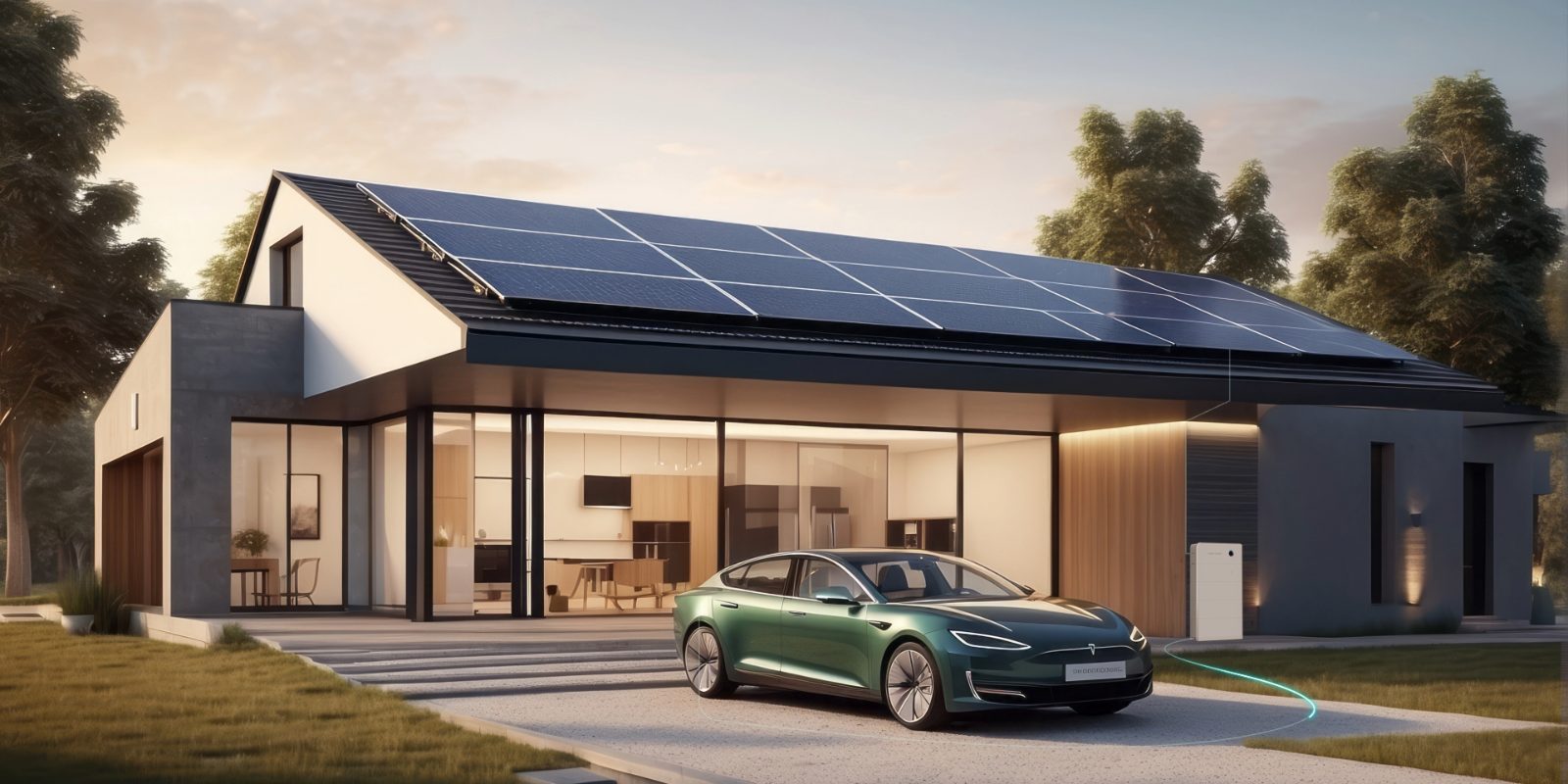 Our recommendationSigenergyOne system for solar, battery and EV chargingExplore Sigenergy →
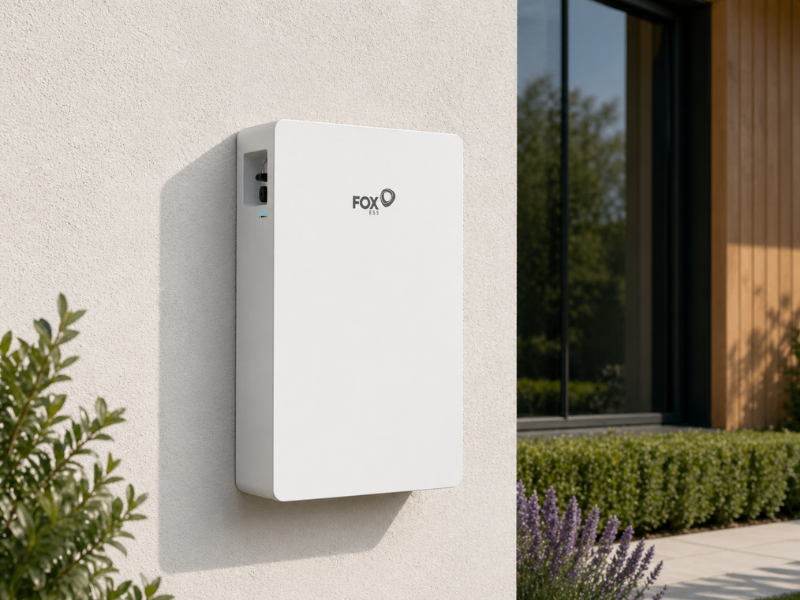 Exclusive bundleFox ESS12 Aiko all-black panels, Fox ESS battery and inverterInstalled from £6,995Get a Fox ESS quote →
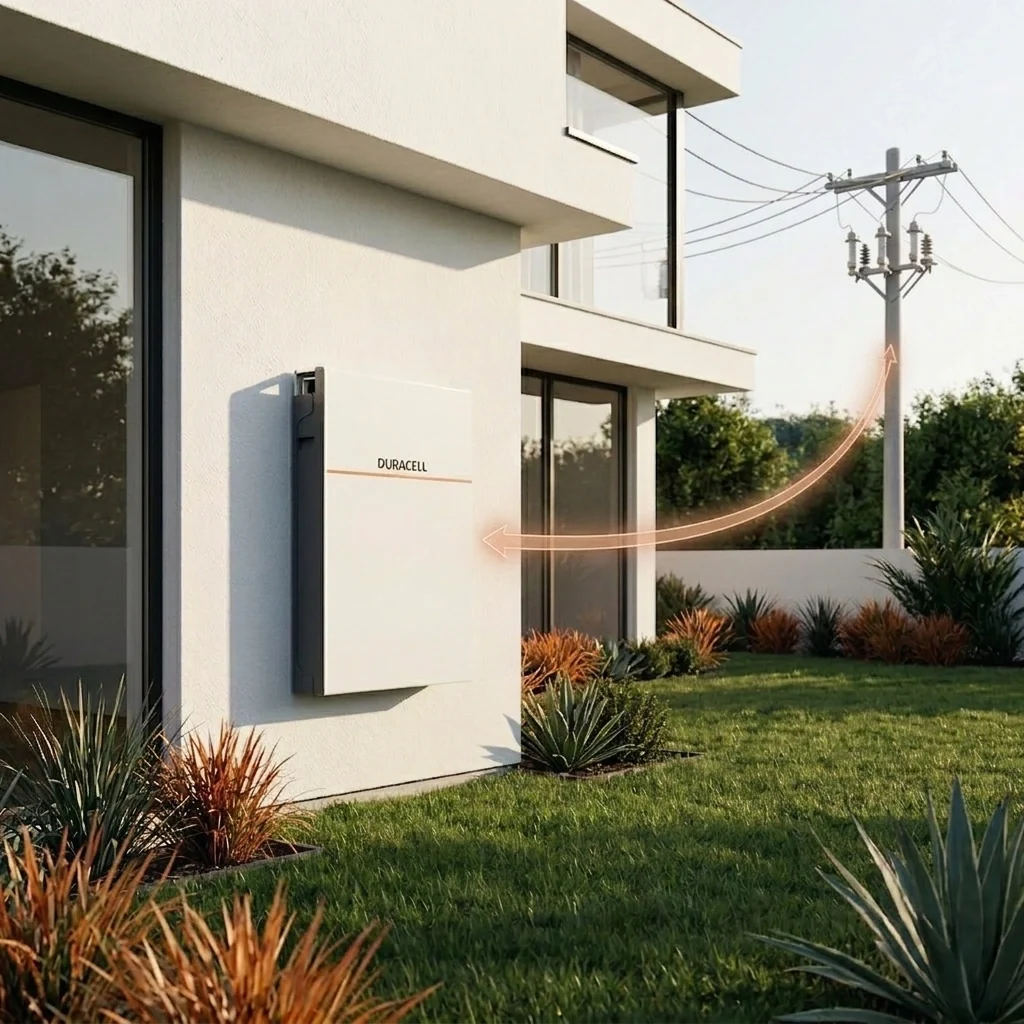 Exclusive bundleDuracell Energy5 all-black 450W panels and a 5kWh batterySupplied and fitted from £6,470Get a Duracell quote →
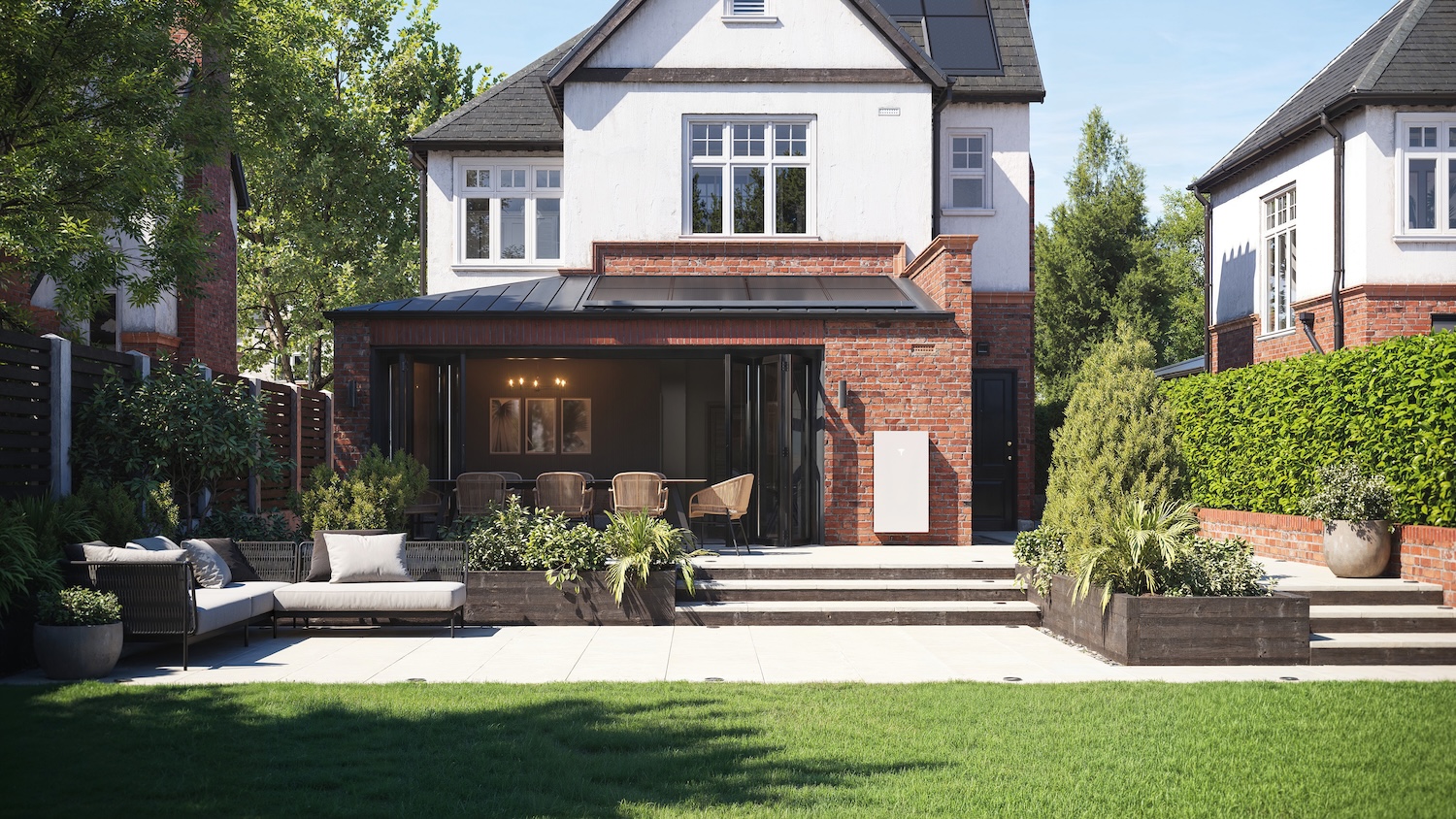 Exclusive offerTeslaPowerwall 3, fully installed with a complete solar systemFrom £6,499Get a Powerwall 3 quote →
All offers are subject to eligibility, survey and availability. See the offers on our home page.
Miles has led retrofit programmes at scale across the UK, with long-standing relationships with local authorities including Kirklees Council, Durham County Council and Ribble Valley Borough Council. He has project-directed programmes for housing associations and delivery partners including Sureserve, LivGreen and BroadOak, and for energy suppliers including E.ON Next, Utilita, British Gas and Octopus, and for tier one contractors including UKEM.