

If you had solar fitted between about 2011 and 2019, there is a good chance your roof has spent every summer since giving away most of what it makes. Adding a battery is the fix. Whether you can is a narrower question than people assume.
There are a lot of these houses across Lancashire. Panels went up under the old feed in tariff, the installer said nothing about storage because home batteries were barely a product yet, and the system has quietly worked ever since.
The problem is what happens at one in the afternoon in June. The panels are producing more than the house is using, the surplus goes back to the grid, and you are paid a modest amount for it. Then at seven in the evening the panels have stopped, the house is at its busiest, and you buy that electricity back at a considerably higher rate.
A battery closes that gap. This page is about whether one can be added to what you already have.
The short answer
Usually yes. It depends on your existing inverter, and there are three routes.
Six things that decide it
What inverter have you got, and how old is it
Are you still on the feed in tariff
How much do you use after dark
Where would it physically go
What tariff are you on now
Do you want backup during a power cut
We survey every roof in person, from our HQ in Clitheroe and our Manchester and London offices, and tell you honestly whether it is worth doing.
What to find before you ring anybody
Five minutes of digging will save a survey visit and get you a far more useful first answer.
When it is not worth doing
We would rather say this now than after a survey.
- If your array is very small. Below a certain size there is not enough surplus to be worth storing, and the money is better spent adding panels first.
- If somebody is home all day, every day. You are already using most of what you generate directly, which is better than storing it. The gain from a battery is correspondingly smaller.
- If the array is badly shaded and nobody has looked at why. Fix the generation problem before buying somewhere to put generation you are not producing.
- If the existing system has a fault. More common than you would think on systems fitted over a decade ago. Worth establishing that everything is working properly first.
Get a straight answer
Send us a photo of your inverter, the year the panels went up, and your annual electricity use. That is enough for us to tell you which of the three routes applies to your house and whether it is worth pursuing. We are MCS certified for solar PV and battery storage. If a battery is right for you, we install it to the MCS battery storage standard and you get an MCS certificate for it.
Battery only installation growth figure published by Octopus Energy and reported by Solar Power Portal, August 2026, covering May to July 2026 against the same period the previous year. Feed in tariff arrangements vary by agreement and by generation, so check your own paperwork or ask your tariff administrator rather than relying on general guidance.
Exclusive offers
Solar and battery offers from Energy Giants
The same offers as on our home page, supplied and installed by our own team.
 Our recommendationSigenergyOne system for solar, battery and EV chargingExplore Sigenergy →
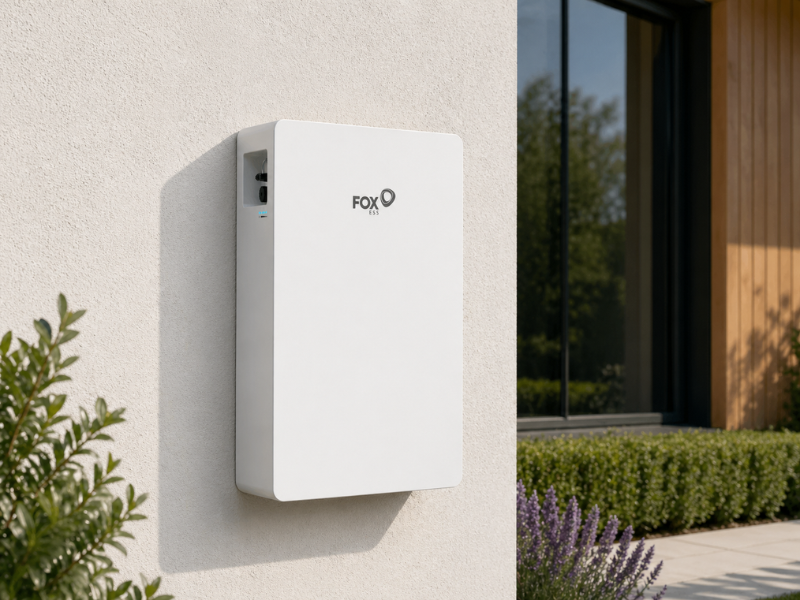 Exclusive bundleFox ESS12 Aiko all-black panels, Fox ESS battery and inverterInstalled from £6,995Get a Fox ESS quote →
 Exclusive bundleDuracell Energy5 all-black 450W panels and a 5kWh batterySupplied and fitted from £6,470Get a Duracell quote →
 Exclusive offerTeslaPowerwall 3, fully installed with a complete solar systemFrom £6,499Get a Powerwall 3 quote →
All offers are subject to eligibility, survey and availability. See the offers on our home page.
Miles has spent two decades in retrofit and has worked at scale across the UK, with long-standing relationships with local authorities including Kirklees Council, Durham County Council and Ribble Valley Borough Council. He has project-directed programmes for housing associations and delivery partners including Aspire Housing, Sureserve, LivGreen and BroadOak, and for energy suppliers including E.ON Next, Utilita, British Gas, Octopus and UKEM.