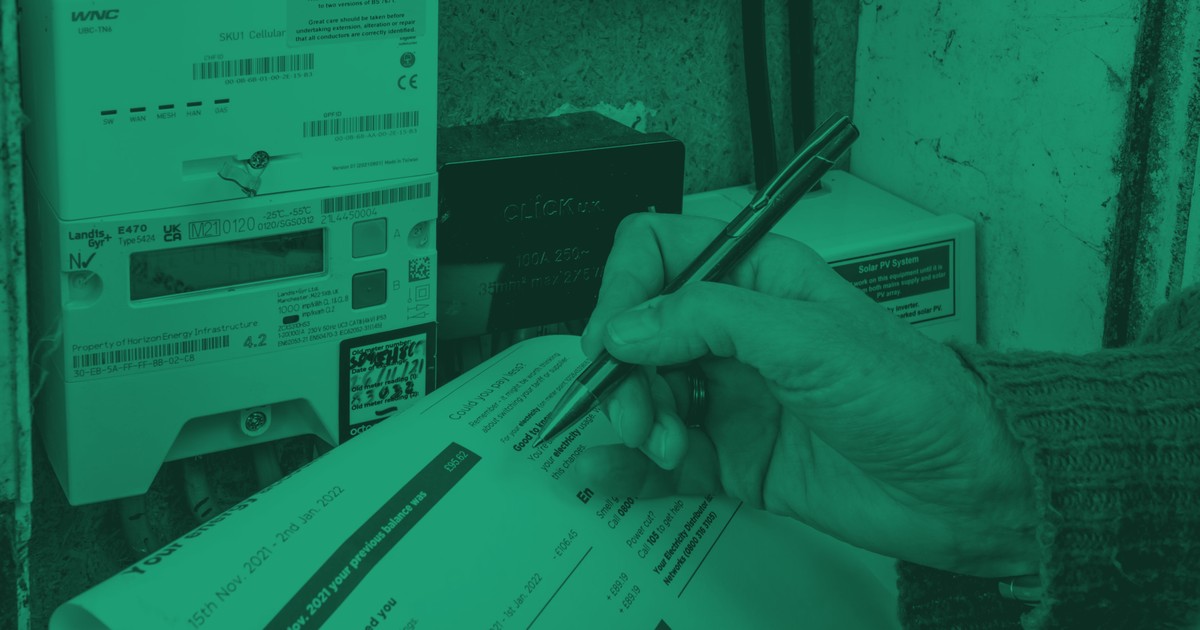

Energy bills are forecast to hit their highest level in three years this October. The government cut VAT on electricity to soften it. The cut has been swallowed whole by the wholesale gas market before it even arrives.
Cornwall Insight published its final forecast for the October price cap today. It puts the cap at £1,729 a year for a typical household, up from the current £1,663. A rise of about 4 per cent, landing on 1 October, exactly as the heating goes back on.
On a unit for unit basis, that would be the highest bills since July 2023.
Ofgem confirms the actual figure by 26 August, so this is a forecast rather than a decision. Cornwall Insight's forecasts have historically landed close.
The VAT cut has already been eaten
This is the part worth understanding, because it explains why nothing the government does to your bill stays done for long.
In July the Prime Minister announced that VAT would be removed from household electricity from October. A five per cent cut. Left to itself, that would have pulled the cap down.
It has not. Cornwall Insight is clear that wholesale market swings have outweighed the VAT saving. The tax cut arrived, and the gas market took it before you saw it.
Why it is going up, and why none of it is in your control
Wholesale energy makes up roughly 45 per cent of a typical capped bill. Here is what has been moving it, according to Cornwall Insight's analysis published today.
Read that list again and notice what it has in common. Not one item on it is anything a household in Clitheroe or Blackburn can influence, predict or plan around.
Your electricity bill is currently set by a conflict two and a half thousand miles away, the weather in southern Europe, and a maintenance schedule in the North Sea.
We survey every roof in person, from our HQ in Clitheroe and our Manchester and London offices, and tell you honestly whether it is worth doing.
The one part of your bill nobody can put up
There is exactly one unit of electricity in this country that is not exposed to any of the above. It is the one that comes off your own roof.
Middle East conflict
European storage levels
Norwegian production
Asian LNG competition
Network and policy costs
Supplier margins
Ofgem methodology
VAT decisions
Every unit your roof produces that you use in the house is a unit you do not buy at whatever the cap says in October, or in January, or in whatever the market does next spring. It costs what it cost the day the panels went up, and it keeps costing that for twenty five years.
Anything you cannot use goes back to the grid and your supplier pays you for it, which is where the export payment comes in. For solar PV, energy suppliers usually ask for the MCS certificate before they pay you, which is one reason to have the panels fitted by an MCS certified installer. But the bigger prize is the unit you never had to buy in the first place.
Why October in particular
The timing is the cruel part, and it is worth being clear about it.
July's 13 per cent rise landed in summer, when households use very little gas and the weather does half your heating for you. It hurt less than the number suggested.
October is different. The cap rises on 1 October, which is roughly when the heating goes back on across the North West. A higher rate applied to much higher usage is a considerably bigger monthly number than a higher rate applied to a summer bill.
And Cornwall Insight's current view is that January points to a further rise again.
What we would actually do about it
We install solar for a living, so treat the following with the appropriate scepticism. But in order of how much difference they make:
And the honest caveat, because you will not get it from everyone: solar does not make you independent of the grid, and it will not carry a Lancashire house through January on its own. In December the panels contribute rather than provide. What they do is permanently remove a chunk of your annual consumption from a market that is currently being set by events nobody can forecast.
Find out what your roof would take out of your bill
Averages make headlines. What a system does at your address depends on your roof, your shading and your household, and none of those are average.
Make your roof work for you. Generate your own electricity and sell the surplus back to the grid. Solar panels, battery storage, EV charging and insulation, fitted properly across Lancashire and the North West from Clitheroe.
Sources
- Cornwall Insight: Energy bills forecast to hit three year high, published 19 August 2026
- Cornwall Insight: Default Tariff Cap predictions and insights
- Ofgem: Energy price cap
- MoneySavingExpert: What is the energy price cap
Figures for April and July 2026 are confirmed Ofgem price cap levels for a typical dual fuel household paying by direct debit, on Ofgem's revised typical domestic consumption values introduced on 1 July 2026. The October figure is Cornwall Insight's final forecast published on 19 August 2026 and is not a confirmed cap. Ofgem confirms the October to December cap by 26 August 2026. The price cap limits unit rates and standing charges rather than total bills, so what any individual household pays depends on how much energy it uses. We are an installer and not an energy supplier or a comparison service.
We survey every roof in person, from our HQ in Clitheroe and our Manchester and London offices, and tell you honestly whether it is worth doing.
Exclusive offers
Solar and battery offers from Energy Giants
The same offers as on our home page, supplied and installed by our own team.
 Our recommendationSigenergyOne system for solar, battery and EV chargingExplore Sigenergy →
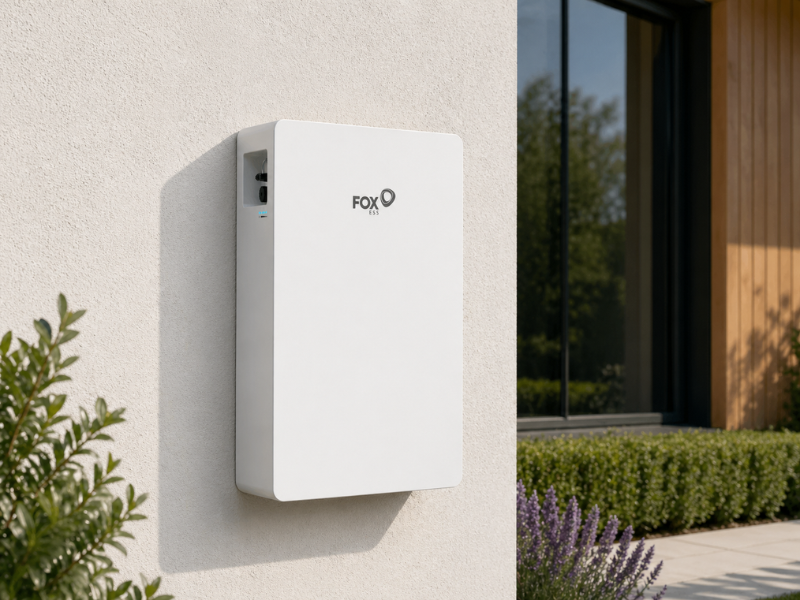 Exclusive bundleFox ESS12 Aiko all-black panels, Fox ESS battery and inverterInstalled from £6,995Get a Fox ESS quote →
 Exclusive bundleDuracell Energy5 all-black 450W panels and a 5kWh batterySupplied and fitted from £6,470Get a Duracell quote →
 Exclusive offerTeslaPowerwall 3, fully installed with a complete solar systemFrom £6,499Get a Powerwall 3 quote →
All offers are subject to eligibility, survey and availability. See the offers on our home page.
Miles has spent two decades in retrofit and has worked at scale across the UK, with long-standing relationships with local authorities including Kirklees Council, Durham County Council and Ribble Valley Borough Council. He has project-directed programmes for housing associations and delivery partners including Aspire Housing, Sureserve, LivGreen and BroadOak, and for energy suppliers including E.ON Next, Utilita, British Gas, Octopus and UKEM.