Solar in Lancashire is not the same job as solar in Surrey. Different housing stock, different weather, different roofs, different hills in the way. This is the guide we wish had existed when people ring us up.
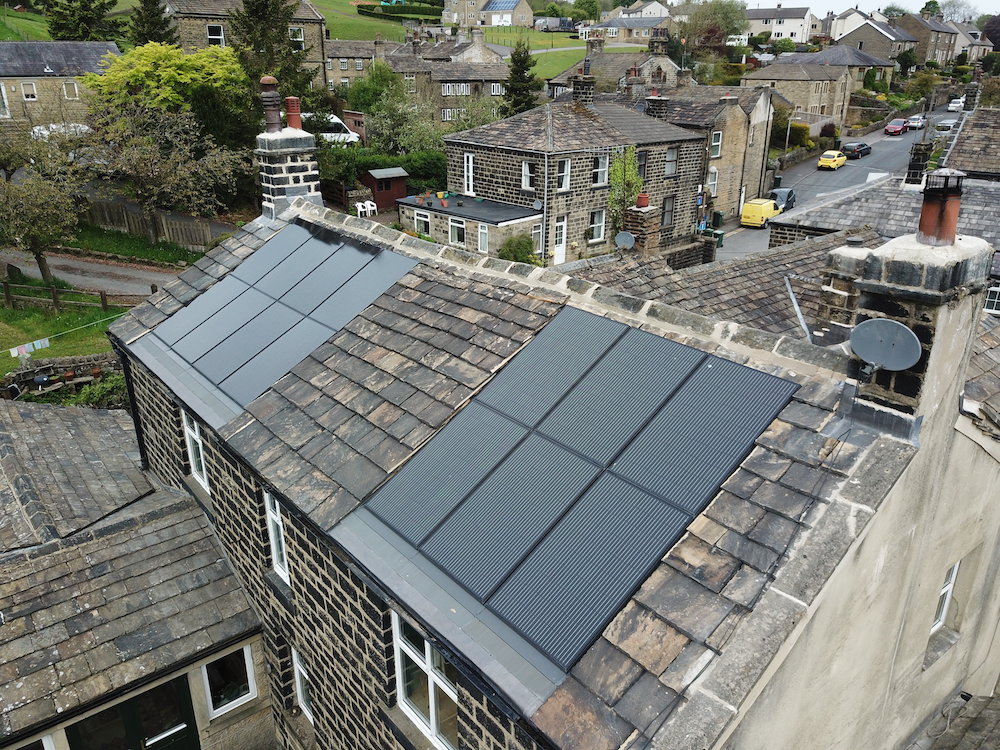
We install solar across Lancashire and the North West from a base in Clitheroe, which means we spend our working lives on stone terraces in the mill towns, estate houses round Preston and Blackburn, and farm buildings up the Ribble Valley. The questions we get asked are always the same five or six, and the answers online are almost never written for houses like these.
So this page answers them properly, and links to the detail where you want more of it.
Does solar actually work in Lancashire?
Yes, and the gap between here and the south of England is a great deal smaller than people assume.
The reason is that solar panels run on daylight, not on heat or direct sunshine. A bright overcast day in Blackburn still generates a useful amount, which is why the difference between the sunniest and least sunny parts of mainland Britain is measured in tens of percent rather than in whole multiples. It is a real difference, and we would not pretend otherwise, but it is not the difference most people picture when they look out of the window in November.
What matters far more than which county you are in:
- What shades the roof. A chimney or a mature tree costs you more than moving two hundred miles north does.
- Which way the roof faces. South is best. East and west are perfectly workable. North is not worth doing.
- When the house is occupied. Solar pays best on the electricity you use as you generate it.
The honest summary is that a well designed Lancashire system is a sensible thing to own, and a badly designed one is a waste of money anywhere in the country.
What kind of house have you got?
This is the question that actually decides how straightforward your install is, and Lancashire has about six answers to it.
Each of those has a different roof pitch, a different usable area and a different thing that catches people out. We have written the full breakdown, with the realistic number of panels for each, in the Lancashire house type guide.
We survey every roof in person, from our HQ in Clitheroe and our Manchester and London offices, and tell you honestly whether it is worth doing.
Shading is the thing to worry about
If there is one message on this page worth carrying away, it is that shading costs more output than orientation, pitch and panel brand put together, and it is the factor homeowners consider last.
Lancashire roofs have a lot of it. Chimney stacks on terraces, hillsides in the valley towns that bring sunset forward by an hour, mature trees in the older suburbs, and neighbouring extensions everywhere. In a basic array the panels are wired in a series string, and a string behaves like a hosepipe: a kink anywhere reduces the flow along all of it.
It is a design problem rather than a dealbreaker, and there are three ways to deal with it. We have covered them properly in the guide to shading on Lancashire roofs, along with four questions worth asking anyone who quotes you.
Do I need a battery?
Usually, yes, and more so here than further south.
Solar generates in the middle of the day. Most households use most of their electricity in the evening. Without storage, the surplus you make at one in the afternoon goes back to the grid, and you buy it back at teatime at a much higher rate than you were paid for it. A battery closes that gap.
That matters more in Lancashire for a straightforward reason: our winter generation is lower, so getting full value out of the summer surplus counts for more.
Sizing is the part people get wrong. A battery should be sized against how much electricity your household actually uses and when, not against the size of your roof. A big array with an undersized battery still exports most of its surplus, and an oversized battery is money sat doing nothing. We have set out how to work out the figure that actually matters in our guide to sizing a battery.
What we install
We work with a deliberately short list rather than fitting whatever is cheapest that month.
Short lists are easier to install properly, easier to support years later, and easier to be honest about. We would rather know three products inside out than a dozen of them vaguely.
Do I need planning permission?
Usually not. Solar panels on a house are normally permitted development, which means no application is needed, provided they sit reasonably close to the roof slope and do not project above the highest part of it.
The exceptions matter round here, though, because Lancashire has a lot of both:
- Conservation areas. Common across the mill town terraces, Clitheroe, Whalley and parts of Lancaster. Rear facing panels are usually still fine. Panels on a roof slope facing a highway usually are not.
- Listed buildings. Listed building consent is a separate process to planning permission and you will need it, including for many farmhouses and barn conversions.
- The Forest of Bowland National Landscape. Additional restrictions apply, particularly on prominent elevations.
None of these is automatically a no. They change what is possible and where, and they are worth establishing before anybody designs a layout. We check this as part of the survey rather than leaving you to find out later.
How the process works
Where we work
We are based at The Former Ambulance Station on Princess Avenue in Clitheroe, and we cover Lancashire and the wider North West.
Common questions
Exclusive offers
Solar and battery offers from Energy Giants
The same offers as on our home page, supplied and installed by our own team.
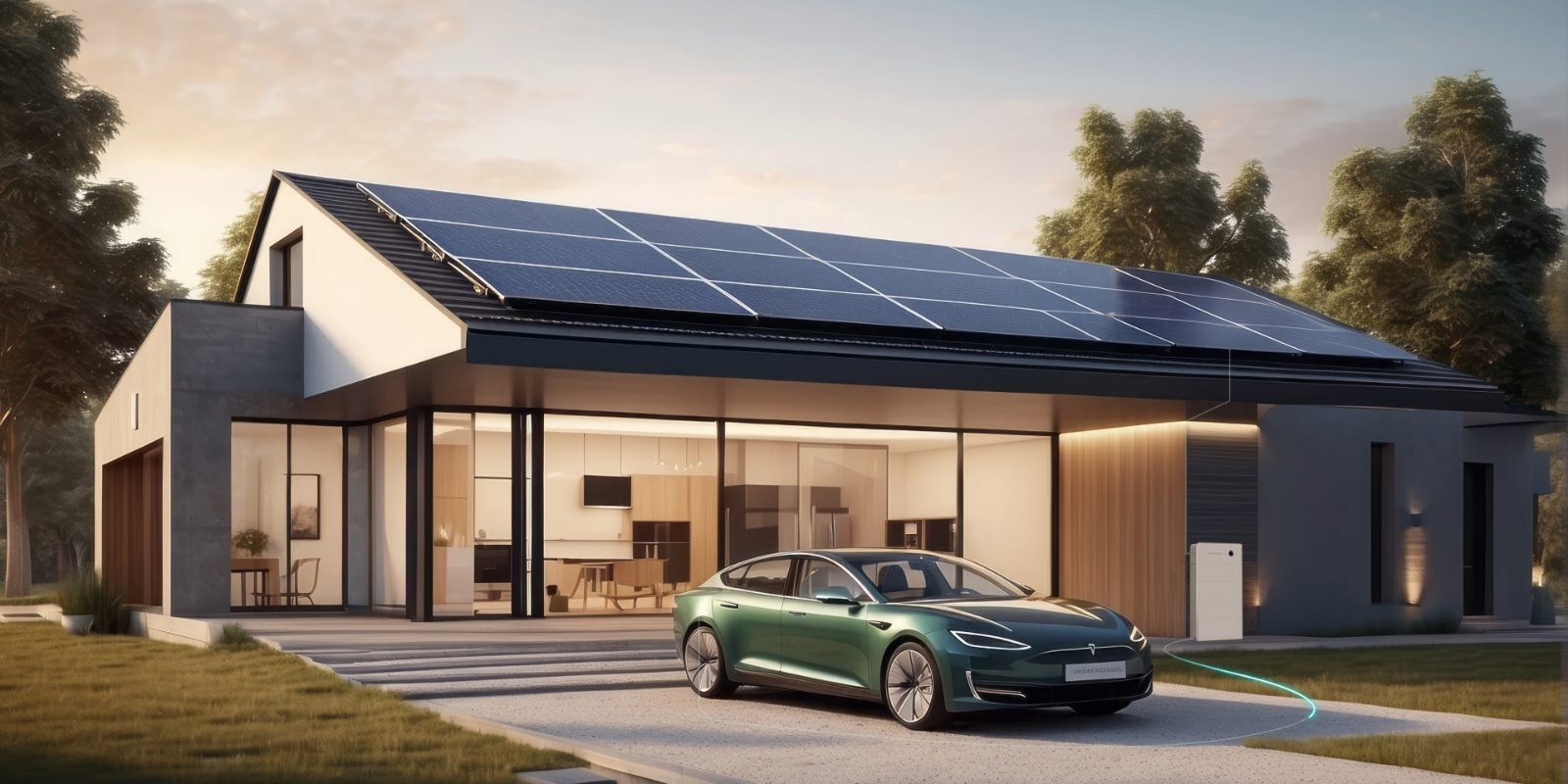 Our recommendationSigenergyOne system for solar, battery and EV chargingExplore Sigenergy →
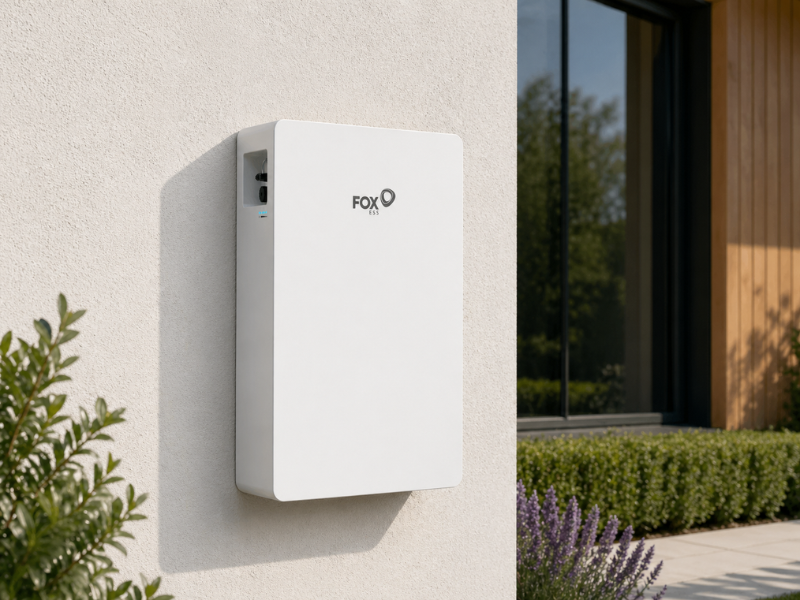 Exclusive bundleFox ESS12 Aiko all-black panels, Fox ESS battery and inverterInstalled from £6,995Get a Fox ESS quote →
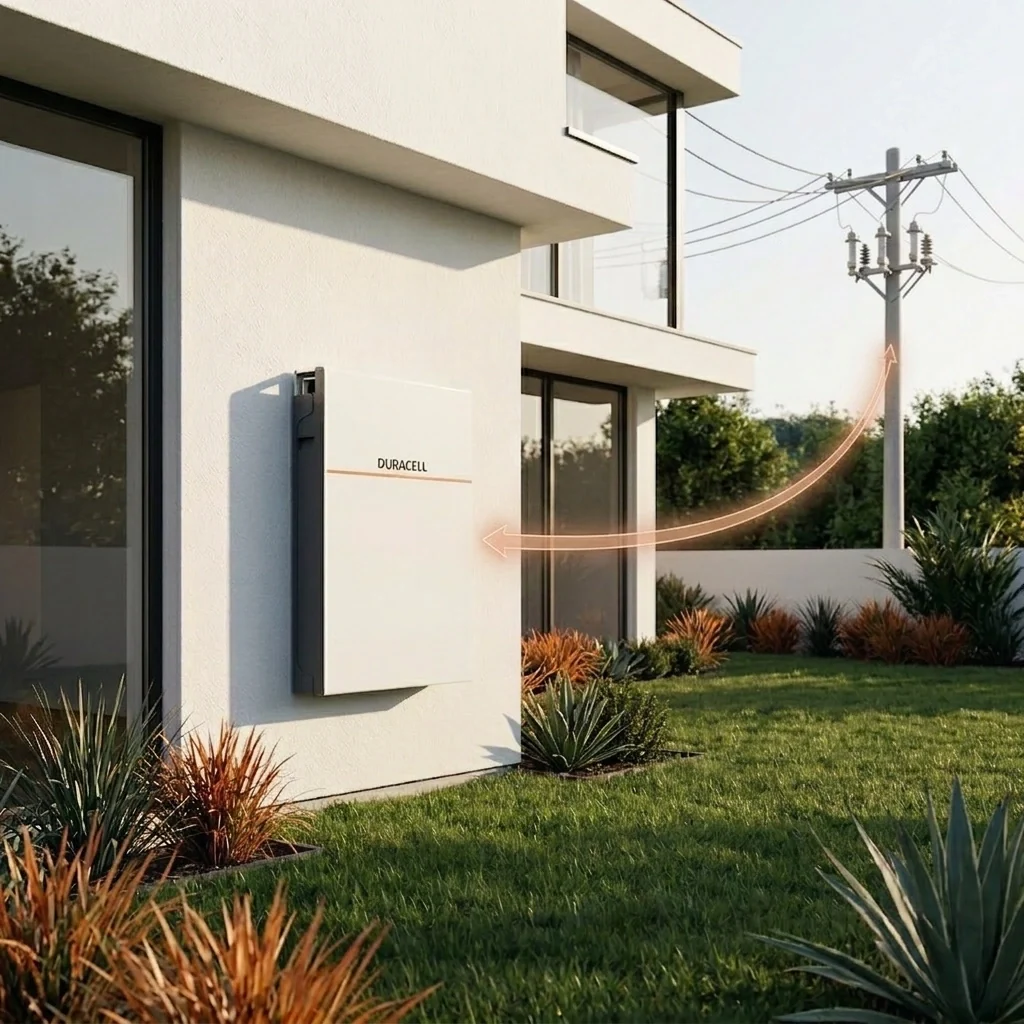 Exclusive bundleDuracell Energy5 all-black 450W panels and a 5kWh batterySupplied and fitted from £6,470Get a Duracell quote →
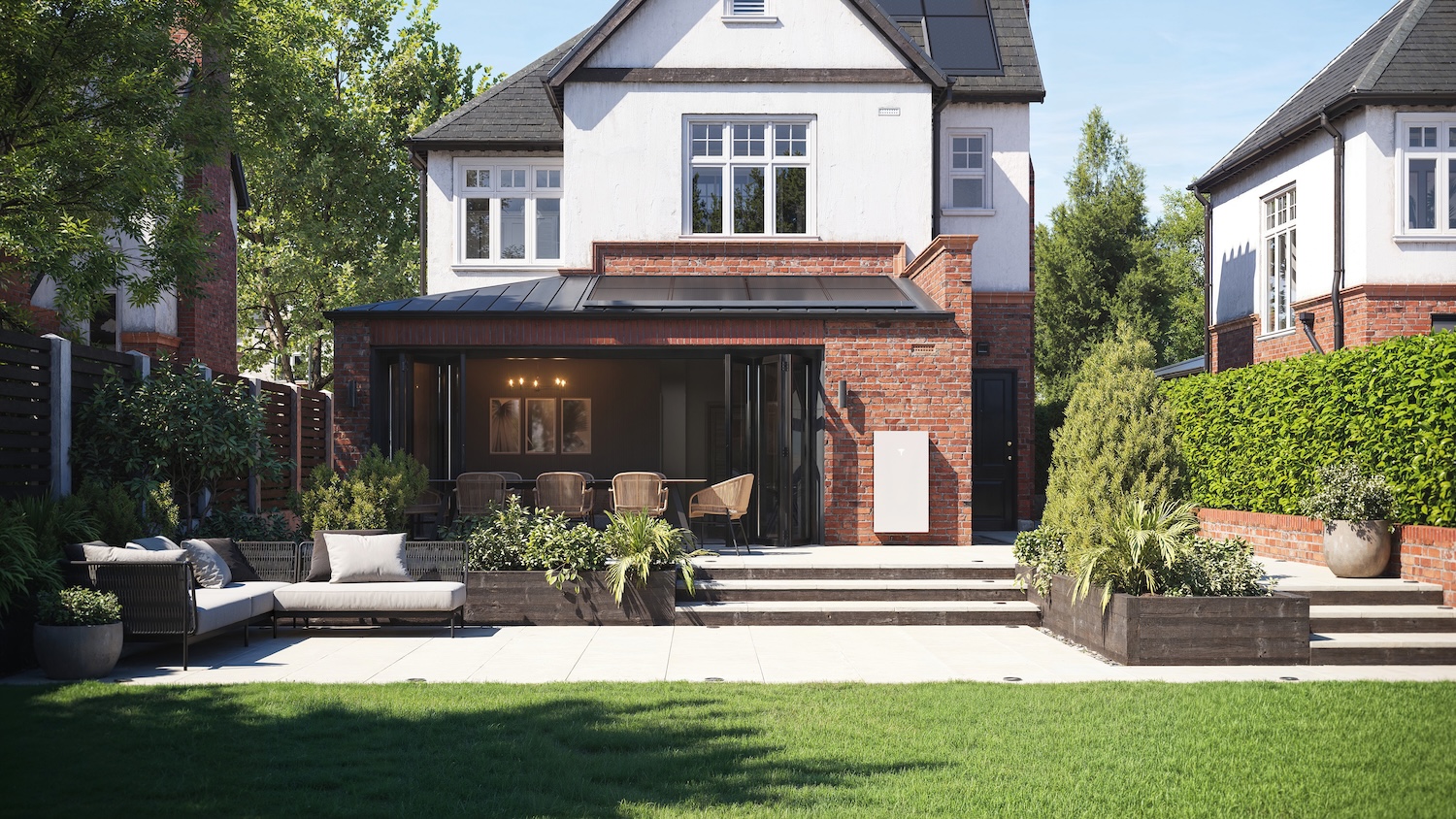 Exclusive offerTeslaPowerwall 3, fully installed with a complete solar systemFrom £6,499Get a Powerwall 3 quote →
All offers are subject to eligibility, survey and availability. See the offers on our home page.
Miles has spent two decades in retrofit and has worked at scale across the UK, with long-standing relationships with local authorities including Kirklees Council, Durham County Council and Ribble Valley Borough Council. He has project-directed programmes for housing associations and delivery partners including Aspire Housing, Sureserve, LivGreen and BroadOak, and for energy suppliers including E.ON Next, Utilita, British Gas, Octopus and UKEM.