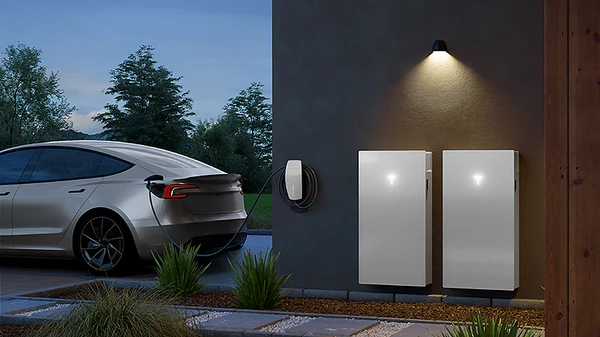

Almost everyone gets battery sizing wrong in the same direction. They size it against the roof, when they should be sizing it against the evening.
A battery does one job: it holds the electricity your panels make at lunchtime so you can use it at seven o'clock instead of buying it back off the grid. That is the whole proposition. Everything about sizing follows from it.
Which means the question is not how big your array is. It is how much electricity your house uses after the sun has gone, and how much of that you want to cover.
This is part of our full guide to solar panels in Lancashire.
The evening gap, and why it is the whole point
Here is the shape of a normal household day. Generation peaks in the middle of the day. Demand peaks after work. The two barely overlap.
The gold area sticking out above the dark line is your surplus. Without storage it goes to the grid, and you are paid an export rate for it. In the evening the dark line climbs and the gold has gone, so you buy that electricity back at the import rate, which is several times higher.
A battery is simply a way of keeping the middle of the day for later.
The sizing question, in one sentence
How many units of electricity does your house use between sunset and sunrise?
That is the number a battery is sized against. Not the roof, not the array, not what the neighbours have got.
We survey every roof in person, from our HQ in Clitheroe and our Manchester and London offices, and tell you honestly whether it is worth doing.
Work out your own evening figure
You can get close to it in ten minutes with a smart meter app or a paper bill.
What changes the answer
| Your situation | Effect on sizing |
|---|---|
| Out all day, home evenings | Bigger. Almost none of your generation is used as it is made, so nearly all of it wants storing. |
| Someone home during the day | Smaller. You are already using generation directly, which is better than storing it. |
| Electric vehicle | Changes the question entirely. A car is a very large evening load, and a cheap overnight tariff may serve it better than a battery would. |
| Heat pump | Bigger, and worth modelling properly. Heat demand peaks in winter when generation is at its lowest, so a battery alone will not cover it. |
| A time of use tariff | Bigger. The battery can charge from cheap overnight grid electricity as well as from the roof, which gives it a second job in winter. |
| A small or shaded roof | Smaller. There is less surplus to store. Fix the shading question first. |
The Lancashire part of this
Storage matters more here than it does in the south, and for a reason that is not obvious.
Our winter generation is lower. That means the summer surplus has to work harder, and getting full value out of it counts for more. A household that exports most of its July generation and then buys everything back in January has got the worst of both.
It also means honesty about what a battery does not do. No domestic battery carries you through a Lancashire winter on solar alone. In December the panels are contributing, not providing. What a battery does in winter is let you shift cheap overnight electricity into the evening peak, which is a genuine saving but a different one from the summer story.
Anyone who tells you a battery makes you independent of the grid in a Lancashire winter is selling you something.
What we install, and when each one fits
We keep the list short deliberately. Two well understood options installed properly beat a dozen we only half know. Whichever suits your house, we install it to the MCS battery storage standard, because we are MCS certified for solar PV and battery storage.
Five questions worth asking
What evening usage figure did you size this against?
Is that usable capacity or total capacity?
Does this include backup during a power cut?
Can it charge from the grid on a cheap tariff?
Where is it going, and how heavy is it?
The short version
Size it against your evenings, not your roof. Find out what your house uses after dark, cover a normal one rather than a worst case, and be clear whether you are quoted usable or total capacity. Check the installer's MCS certificate too: it should name battery storage, not only solar PV.
And if someone has quoted you a battery without asking what time you get home, they have sized it from a price list rather than from your house.
Exclusive offers
Solar and battery offers from Energy Giants
The same offers as on our home page, supplied and installed by our own team.
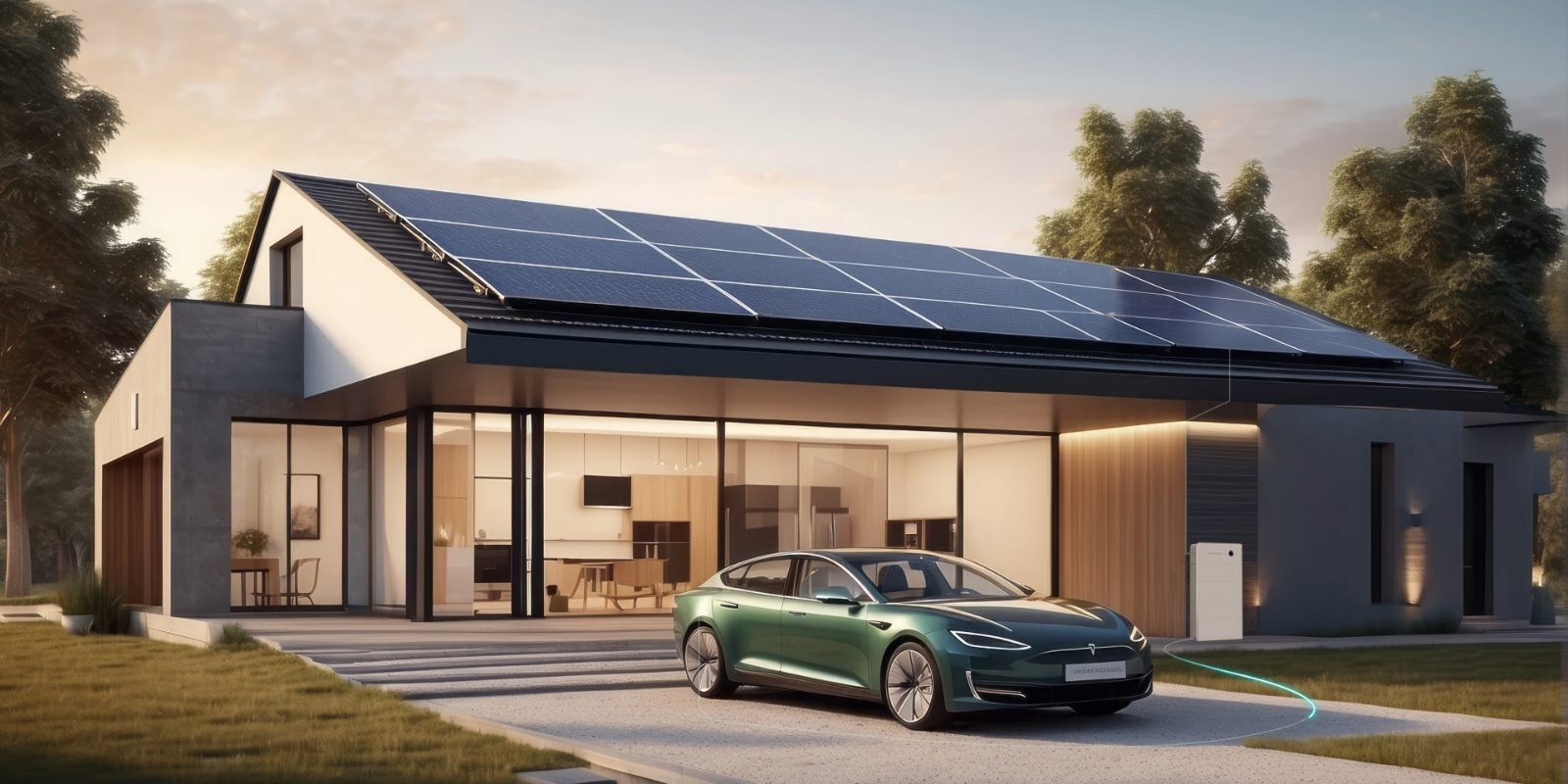 Our recommendationSigenergyOne system for solar, battery and EV chargingExplore Sigenergy →
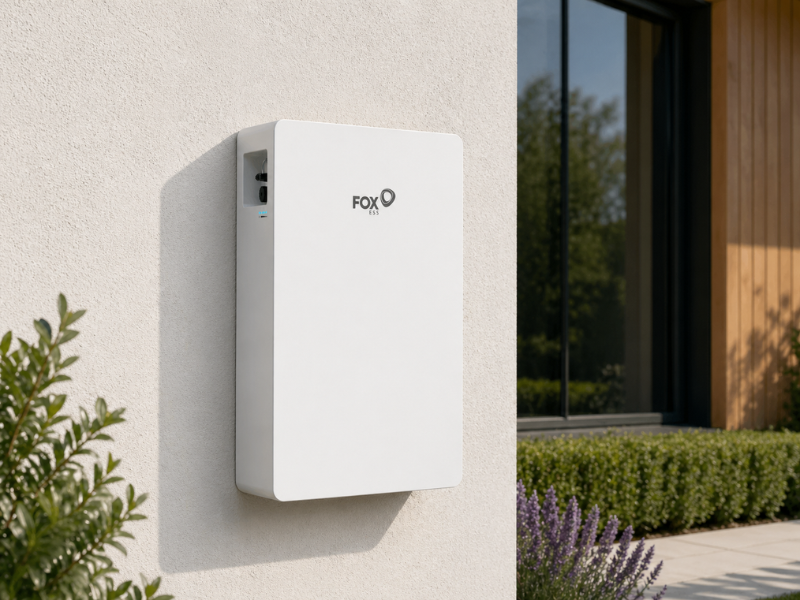 Exclusive bundleFox ESS12 Aiko all-black panels, Fox ESS battery and inverterInstalled from £6,995Get a Fox ESS quote →
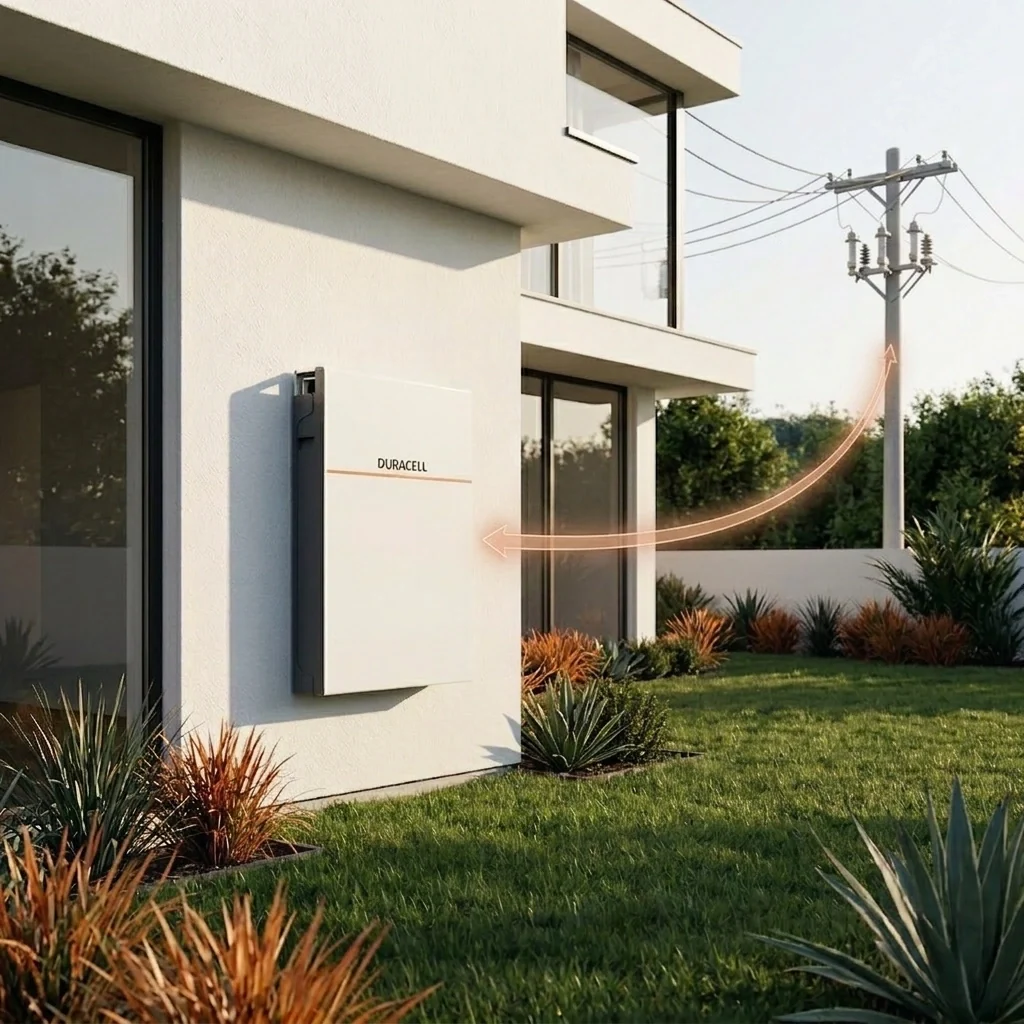 Exclusive bundleDuracell Energy5 all-black 450W panels and a 5kWh batterySupplied and fitted from £6,470Get a Duracell quote →
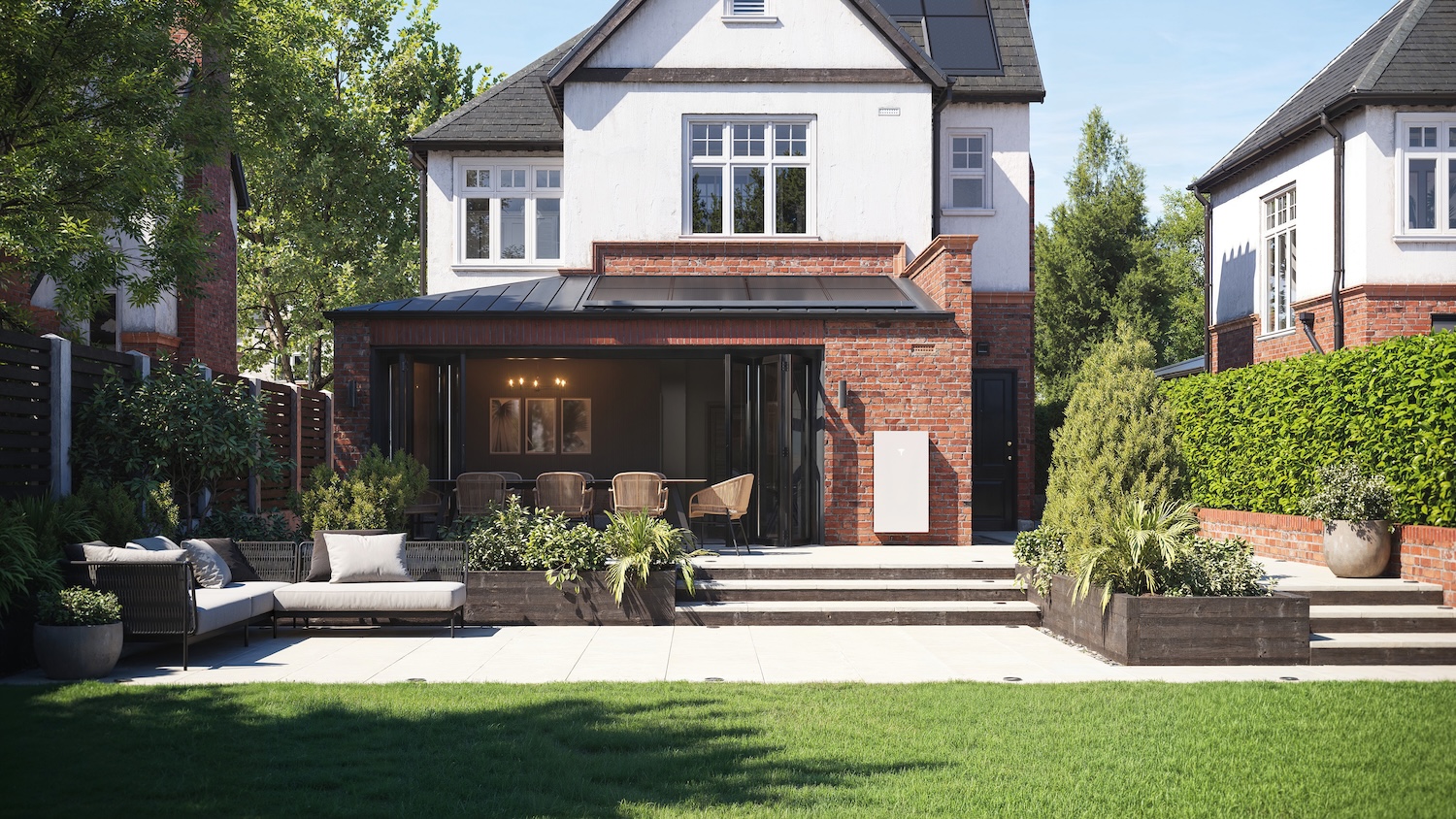 Exclusive offerTeslaPowerwall 3, fully installed with a complete solar systemFrom £6,499Get a Powerwall 3 quote →
All offers are subject to eligibility, survey and availability. See the offers on our home page.
Miles has spent two decades in retrofit and has worked at scale across the UK, with long-standing relationships with local authorities including Kirklees Council, Durham County Council and Ribble Valley Borough Council. He has project-directed programmes for housing associations and delivery partners including Aspire Housing, Sureserve, LivGreen and BroadOak, and for energy suppliers including E.ON Next, Utilita, British Gas, Octopus and UKEM.