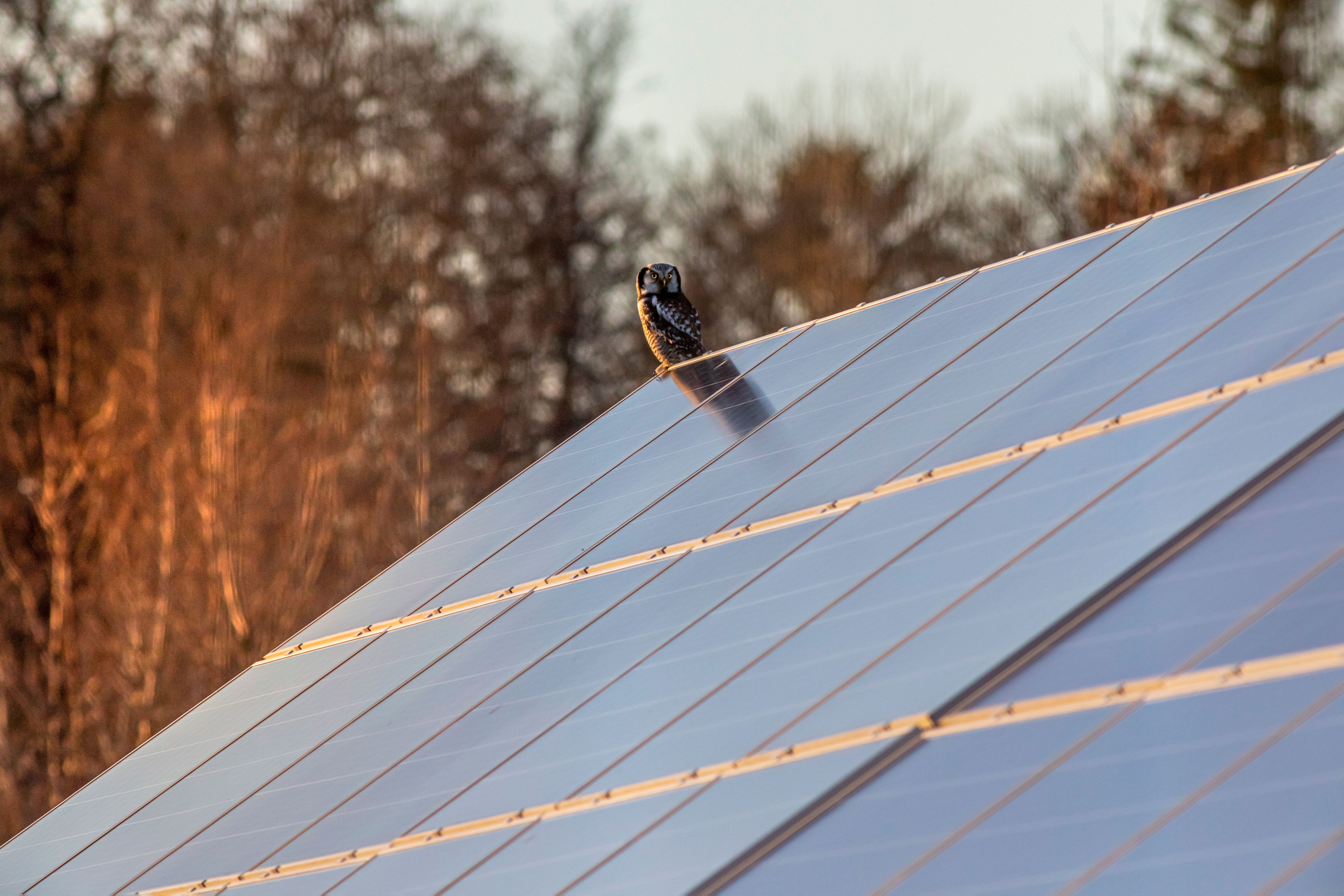
Shading costs more solar output than orientation, roof pitch and panel brand put together. It is also the thing homeowners think about last, and the thing Lancashire roofs have most of.
Chimney stacks at both ends of a terrace. Valley towns sitting under a hillside that takes the sun away at four in the afternoon. Mature trees in Victorian gardens. Next door's two storey extension. A satellite dish nobody has used since 2014.
None of that stops solar working. But it changes what you should put on the roof, and if the person quoting you has not talked about it, they have not really looked at your house.
This is part of our full guide to solar panels in Lancashire.
Why one shaded panel matters so much
Here is the bit that surprises people. In a basic solar array, panels are wired in a series string, and a series string behaves like a hosepipe. Put a kink anywhere along it and the flow drops everywhere, not just at the kink.
So a chimney shadow falling across the corner of one panel does not cost you one panel's worth of output. Without something in place to handle it, it can drag down every panel wired in with it.
Modern panels have bypass diodes built in, which split each panel into sections and take some of the sting out of this. It helps. It does not solve it, and it is why the way an array is designed and wired matters as much as what goes on the roof.
Shadows move, and they move a lot
The other thing people miss is that a shadow is not a fixed thing. It travels across the roof through the day, and it changes length dramatically through the year.
In midsummer the sun is high and a chimney casts a short shadow. In December the same chimney casts one several times longer, right across the middle of the day when you are trying to generate. So the tree that clearly does not shade your roof in July may well shade half of it in February.
We survey every roof in person, from our HQ in Clitheroe and our Manchester and London offices, and tell you honestly whether it is worth doing.
What shades a Lancashire roof
Three ways to deal with it
1. Design around it
Always the first move and the cheapest. Map where the shadows actually fall through the day and across the seasons, then put panels where they do not go. Sometimes that means fewer panels in a better place, which is very often a better system than more panels in a worse one.
It also means thinking about how the array is wired. Grouping the panels that get shaded together, on their own string, stops them dragging down the ones that do not.
2. Choose panels that cope better
Panel technology has moved on here, and it is the reason we fit Aiko on roofs where shading is a factor.
Conventional panels have metal contact lines running across the front face. Aiko's panels use a back contact design, which puts all the electrical contacts on the rear of the cell instead. According to the manufacturer, that removes the front side shading from those contact lines, delivers module efficiency in the region of 23 to 24 per cent, and provides partial shade optimisation at cell level rather than only at panel level.
In plain terms: more output from the same roof area, which matters on a small terrace plane, and a gentler response when part of a panel goes into shadow.
Being straight about the limits. Better shade tolerance is not immunity. On a genuinely badly shaded roof, a better panel softens the loss but does not remove it, and you will still want optimisation at panel level. Anyone telling you a particular panel makes shading a non issue is overselling it.
3. Add panel level electronics
Optimisers or microinverters give each panel its own control, so a shaded one drops out on its own instead of taking its neighbours with it. That is the second diagram at the top of this page.
They cost more and they add components to the roof, so they are not automatically right. On a clear estate roof they are often unnecessary. On a mid terrace with two stacks and a tree, they usually pay for themselves.
Four questions to ask whoever quotes you
The short answer
Shading is a design problem, not a dealbreaker. We have put good systems on mid terraces with a stack at each end and on houses tucked under a hillside, and they work, because the array was laid out around the shadows rather than in spite of them.
What does not work is pretending the chimney is not there. If a quote arrives with a full roof of panels and no mention of shading, that is worth a question before it is worth a signature. So is a quote from an installer who is not MCS certified for solar PV. The performance estimate you get before you commit is one of the things the MCS standard covers.
If you are not sure how much roof you have got to play with in the first place, start with our Lancashire house type guide.
Exclusive offers
Solar and battery offers from Energy Giants
The same offers as on our home page, supplied and installed by our own team.
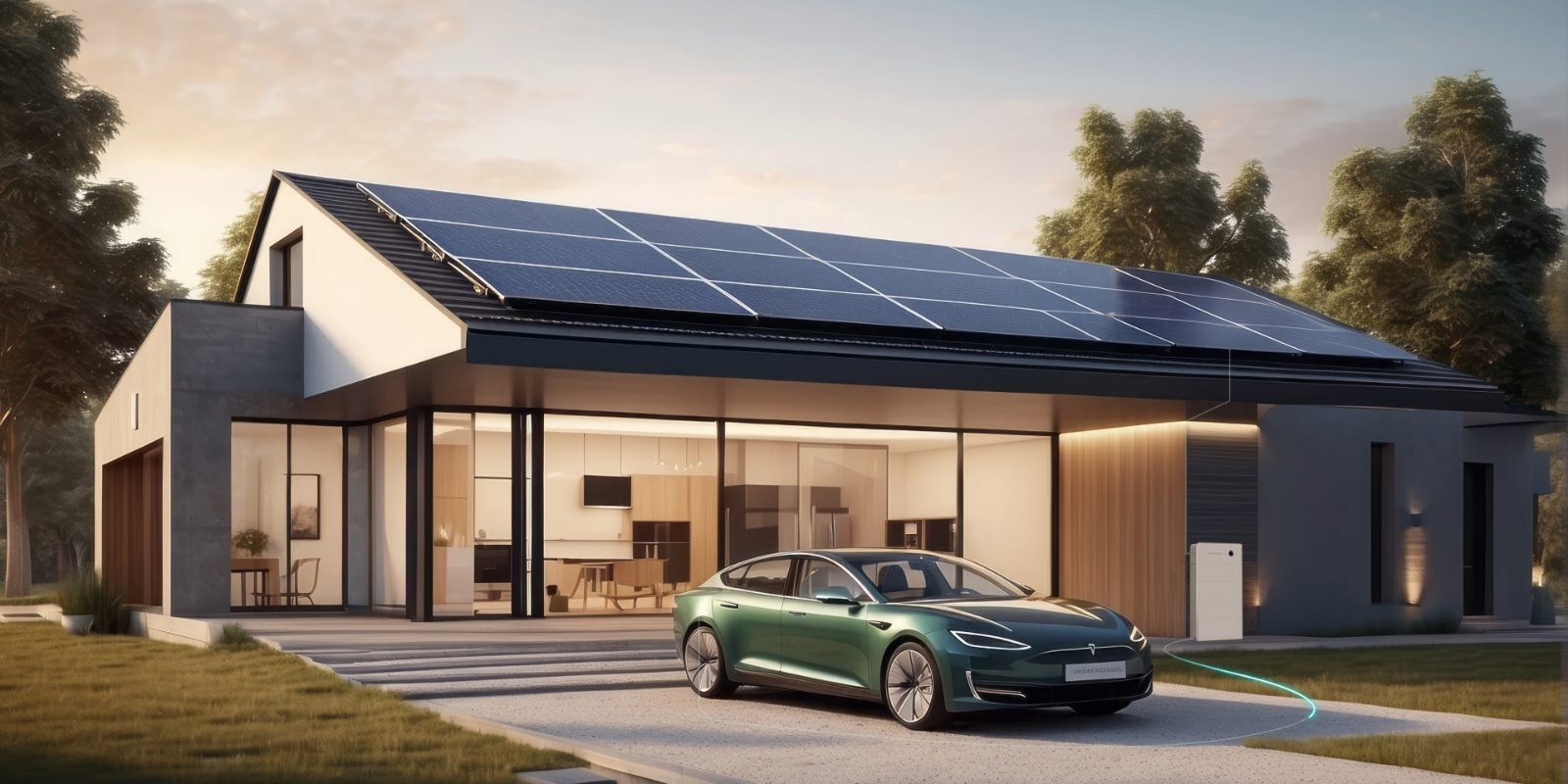 Our recommendationSigenergyOne system for solar, battery and EV chargingExplore Sigenergy →
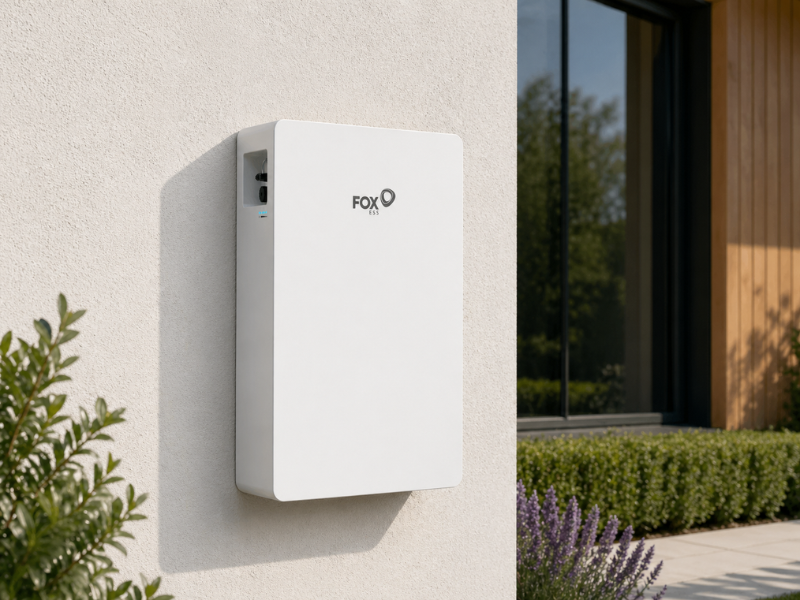 Exclusive bundleFox ESS12 Aiko all-black panels, Fox ESS battery and inverterInstalled from £6,995Get a Fox ESS quote →
 Exclusive bundleDuracell Energy5 all-black 450W panels and a 5kWh batterySupplied and fitted from £6,470Get a Duracell quote →
 Exclusive offerTeslaPowerwall 3, fully installed with a complete solar systemFrom £6,499Get a Powerwall 3 quote →
All offers are subject to eligibility, survey and availability. See the offers on our home page.
Miles has spent two decades in retrofit and has worked at scale across the UK, with long-standing relationships with local authorities including Kirklees Council, Durham County Council and Ribble Valley Borough Council. He has project-directed programmes for housing associations and delivery partners including Aspire Housing, Sureserve, LivGreen and BroadOak, and for energy suppliers including E.ON Next, Utilita, British Gas, Octopus and UKEM.