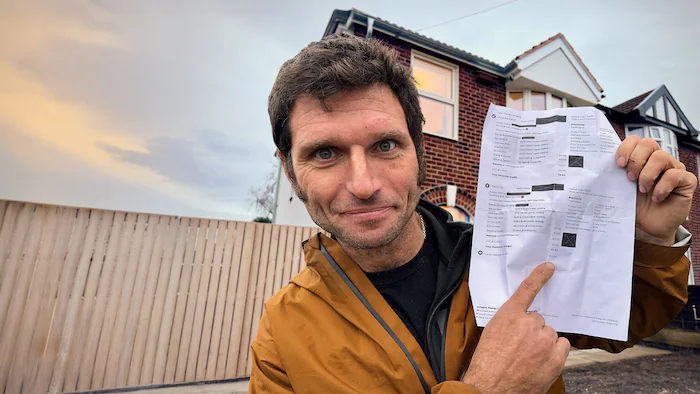

Channel 4's Guy Martin's House Without Bills takes a 1930s semi in Greater Manchester and asks whether an ordinary British home can almost stop needing energy. The real story is that retrofit has arrived in prime time.
Energy prices remain volatile, grid reform is in the headlines and net zero is politically contested. The promise of escaping energy costs feels both radical and reassuring. But the property at the centre of the show is not futuristic, and that choice is deliberate. Britain is not a new build nation.
Why a 1930s semi matters
Roughly 80 per cent of the homes that will exist in 2050 are already standing: solid wall terraces, ageing semis, post war estates. They were never designed for modern energy prices or carbon targets. If the UK is serious about reducing demand, retrofit is not optional. It is structural.
We survey in person and tell you honestly what is worth doing first, whether that is insulation, a battery, solar, or nothing yet.
Energy House 2.0: testing, not assuming
One of the most compelling moments comes from the science behind the house. The Energy House 2.0 at the University of Salford is a vast environmental chamber where full scale houses face simulated blizzards, driving rain and heatwaves, and insulation, airtightness and ventilation are measured under stress.
Britain has a persistent performance gap: homes designed to meet efficiency targets often fail to deliver in reality. What looks convincing on a spreadsheet can unravel in February. Facilities like this exist to close that gap.
Passive House, in plain numbers
The programme leans on Passive House principles from the Passive House Institute, once niche and now a widely cited gold standard. Drastically reduce heating demand, build close to airtight, remove thermal bridges, ventilate with heat recovery, and keep temperatures steady.
| Standard | Built for | Heating demand | Airtightness |
|---|---|---|---|
| Passive House | New build | 15 kWh/m²/yr | 0.6 ach |
| EnerPHit | Existing homes | 25 kWh/m²/yr | 1.0 ach |
Limits from the Passive House Institute. Airtightness is air changes an hour at 50 pascals. EnerPHit also offers a route based on individual building components.
Applying that to a new build is demanding. Applying it to a 1930s semi is engineering. Walls are uneven, junctions leak, moisture risk has to be managed and services puncture the airtight layer. EnerPHit adapts the method to existing homes, but the discipline remains.
Fabric first, then everything else
The programme gets one crucial point right. Before solar panels, batteries or heat pumps comes the fabric. Without it, generation compensates for waste rather than removing it.
Common myths the show helps bust
"A retrofit means no bills at all."
Rarely. Deep retrofit stabilises demand and cuts it hard, but winter still brings peaks, and how you live in the house matters. Predictable, lower bills are the realistic goal.
"Just add solar panels."
Panels do not stop heat leaving through the walls. Fix the fabric first, then generation covers a much smaller need, and pays back faster.
"Older houses can't be done."
They can, with care. Uneven walls, leaky junctions and moisture risk need proper design, which is exactly what the 1930s semi in the programme shows.
"Airtight means stuffy."
Not with a ventilation strategy. Mechanical ventilation with heat recovery brings fresh air in and keeps most of the heat.
"Without bills" is the headline. Comfort is the story.
A home that performs predictably still faces peak demand in winter. Behaviour, monitoring and maintenance all matter. The real achievement of deep retrofit is stabilising demand, not eliminating bills.
Comfort may be the most profound benefit: even temperatures, no cold draughts, less condensation, better indoor air. Lower bills follow because the building simply needs less energy.
Our verdict
For all its television compression, the programme performs a public service. It presents retrofit as infrastructure rather than indulgence and puts serious research in front of a national audience. If a 1930s semi in Greater Manchester can be transformed, the rest of Britain's housing stock is not beyond reach. The challenge is scale, coordination and competence.
Recommended viewing. Not because it promises miracles, but because it forces a long overdue conversation into the open.
We survey every home in person across Lancashire and the North West and tell you what to do first, in the right order.
Exclusive offers
Solar and battery offers from Energy Giants
The same offers as on our home page, supplied and installed by our own team.
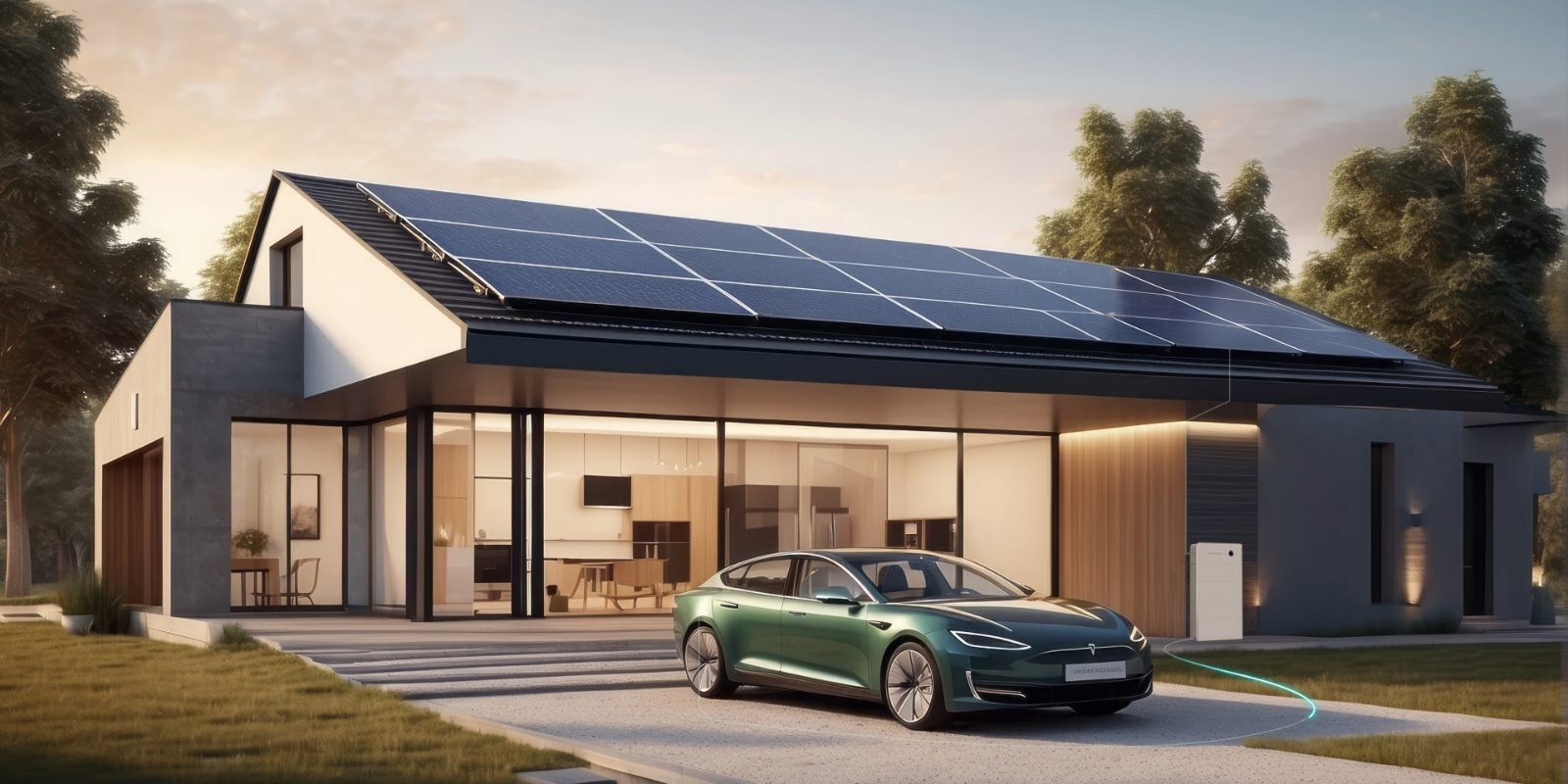 Our recommendationSigenergyOne system for solar, battery and EV chargingExplore Sigenergy →
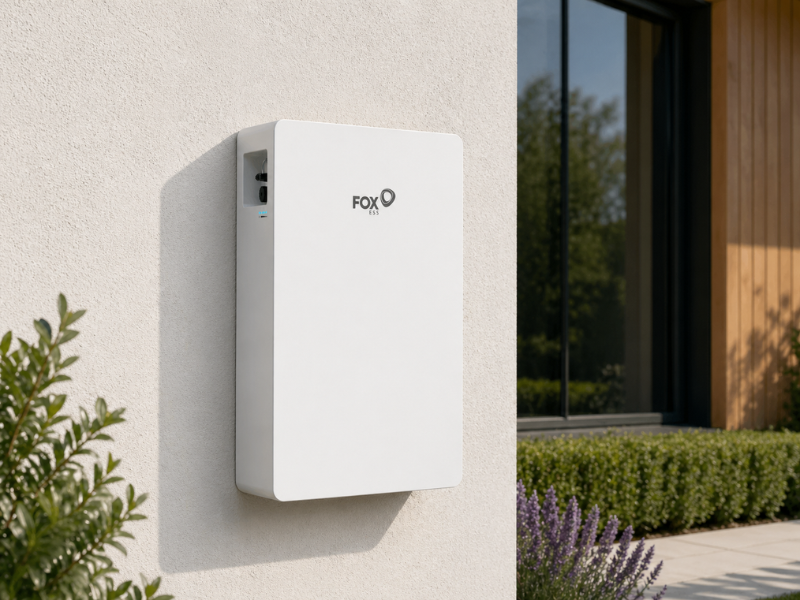 Exclusive bundleFox ESS12 Aiko all-black panels, Fox ESS battery and inverterInstalled from £6,995Get a Fox ESS quote →
 Exclusive bundleDuracell Energy5 all-black 450W panels and a 5kWh batterySupplied and fitted from £6,470Get a Duracell quote →
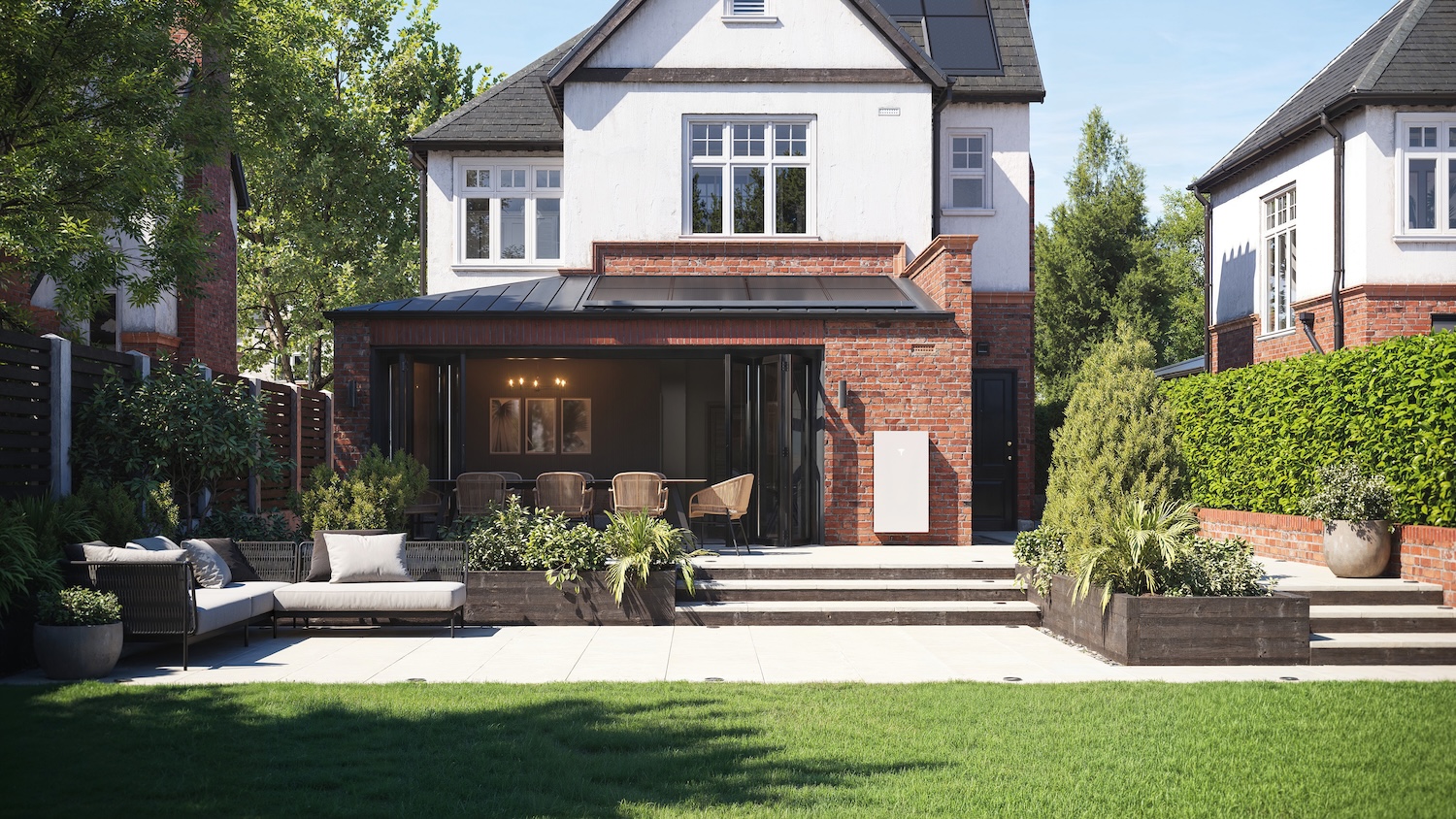 Exclusive offerTeslaPowerwall 3, fully installed with a complete solar systemFrom £6,499Get a Powerwall 3 quote →
All offers are subject to eligibility, survey and availability. See the offers on our home page.
Miles has spent two decades in retrofit and has worked at scale across the UK, with long-standing relationships with local authorities including Kirklees Council, Durham County Council and Ribble Valley Borough Council. He has project-directed programmes for housing associations and delivery partners including Aspire Housing, Sureserve, LivGreen and BroadOak, and for energy suppliers including E.ON Next, Utilita, British Gas, Octopus and UKEM.