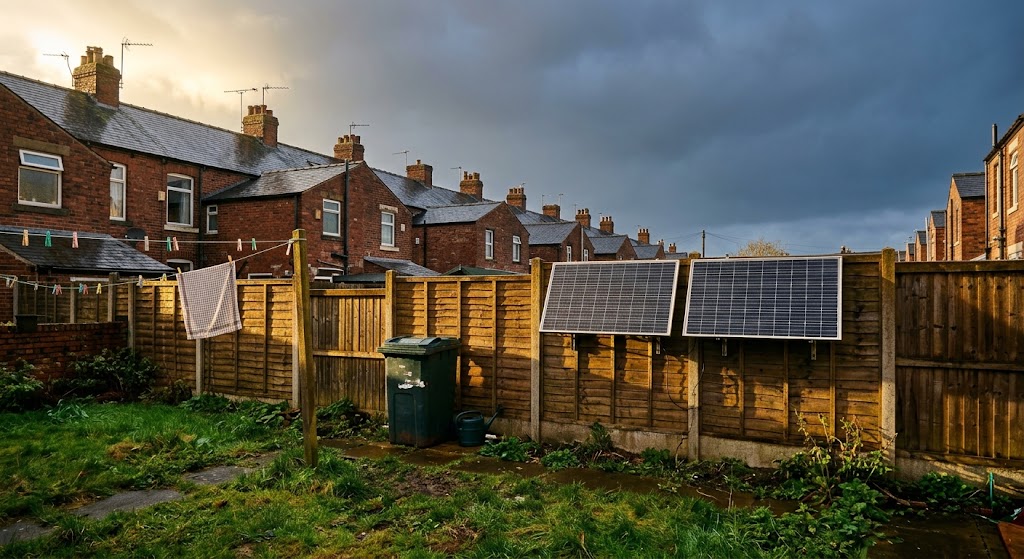

From Thursday, anyone in Britain can buy a solar kit off a shelf, hang it on a fence, and plug it into a socket. No electrician. No scaffolding. It is the biggest change to domestic generation in years and most people have not heard about it.
The regulations come into force on 27 August 2026. Amazon, Asda, B&Q, Currys, Lidl, Screwfix and Wickes have all been preparing stock. A product category that did not legally exist in this country is about to appear in the aisles.
We fit solar on roofs for a living, so it would be easy to be sniffy about a kit a fraction of the size. We are not. For anyone renting, in a flat, or with a roof they cannot touch, this is the first realistic route into generating anything at all.
But there is a gap between what the rules require and what a box on a shelf will tell you. Here is what to know before Thursday.
The mistake almost everyone will make
The kit's plug goes straight into a fixed wall socket. Not an extension lead. Not an adaptor. Not a four way block with the tumble dryer on it.
This is where we expect the trouble. A fence at the bottom of the garden is nowhere near a socket, and the temptation to run an extension out to it will be enormous.
Do not. The extension lead is the component that heats up, and it sits outside the rules for exactly that reason.
The paperwork nobody is mentioning
Even with no electrician and no building control, you are still required to notify your distribution network operator under G98 before you connect. Across most of Lancashire that is Electricity North West.
It is a notification rather than a permission, and it is not difficult. It is also not optional, and almost nobody buying a boxed product from a high street retailer on Thursday will know it exists.
Some suppliers will handle it. Many will not. Check before you buy, because if they do not, it falls to you.
We survey every roof in person, from our HQ in Clitheroe and our Manchester and London offices, and tell you honestly whether it is worth doing.
No batteries in this phase
The rules are specific. The device must generate from sunlight and must not import electricity to store for later. That rules out plug in storage entirely for now.
It matters more than it sounds, and it is the single most important thing to understand before spending anything.
A plug in system only saves you money on electricity you are using at the moment the sun is on the panels. Whatever you do not use goes back to the grid, and you are not paid for it. Your panels peak at lunchtime. Your house peaks at teatime. Without storage, that gap stays open.
Where it works, and where it does not
Six checks before you buy
Does it state that it meets the government's interim product specification?
If the listing is vague about this, walk away. There will be a wave of imported kits on the marketplaces from September meeting none of it.
Is it UKCA or CE marked?
Basic, and worth checking on a product being connected to your ring main.
Does the inverter appear on the ENA G98 Type Test Register?
This is the list of equipment approved to connect to the grid without individual assessment. If it is not on there, it should not be going in.
Is the plug moulded and non rewireable, fused at 5A or less?
It has to be supplied with the kit. A plug you wire yourself is outside the rules.
Will your fence actually carry it?
Two panels is around 40 kilos before you count wind load, and wind load is the bit people forget. A standard fence panel is not designed for it.
Who is doing the G98 notification, you or them?
Establish this before you pay, not after.
Our honest position
We would rather you started somewhere than nowhere.
Plug in solar is the cheapest way anyone has had to find out what solar actually behaves like at their address. You will watch your import drop on a bright afternoon and do nothing at seven in the evening. You will start moving the washing to lunchtime without being told to. That is a solar education for a few hundred pounds.
What it is not is a substitute for a roof system, and it is not sold as one. Two panels will not run a house. They trim your daytime standing load. Anyone telling you otherwise is overselling.
There is a money difference too. A roof system fitted by an MCS certified installer comes with an MCS certificate. For solar PV, energy suppliers usually ask for that certificate before they pay you for the electricity you send back to the grid under the Smart Export Guarantee.
If you are stood in the garden on Thursday looking at a perfectly good south facing roof, you might be solving a smaller problem than the one you have got.
Exclusive offers
Solar and battery offers from Energy Giants
The same offers as on our home page, supplied and installed by our own team.
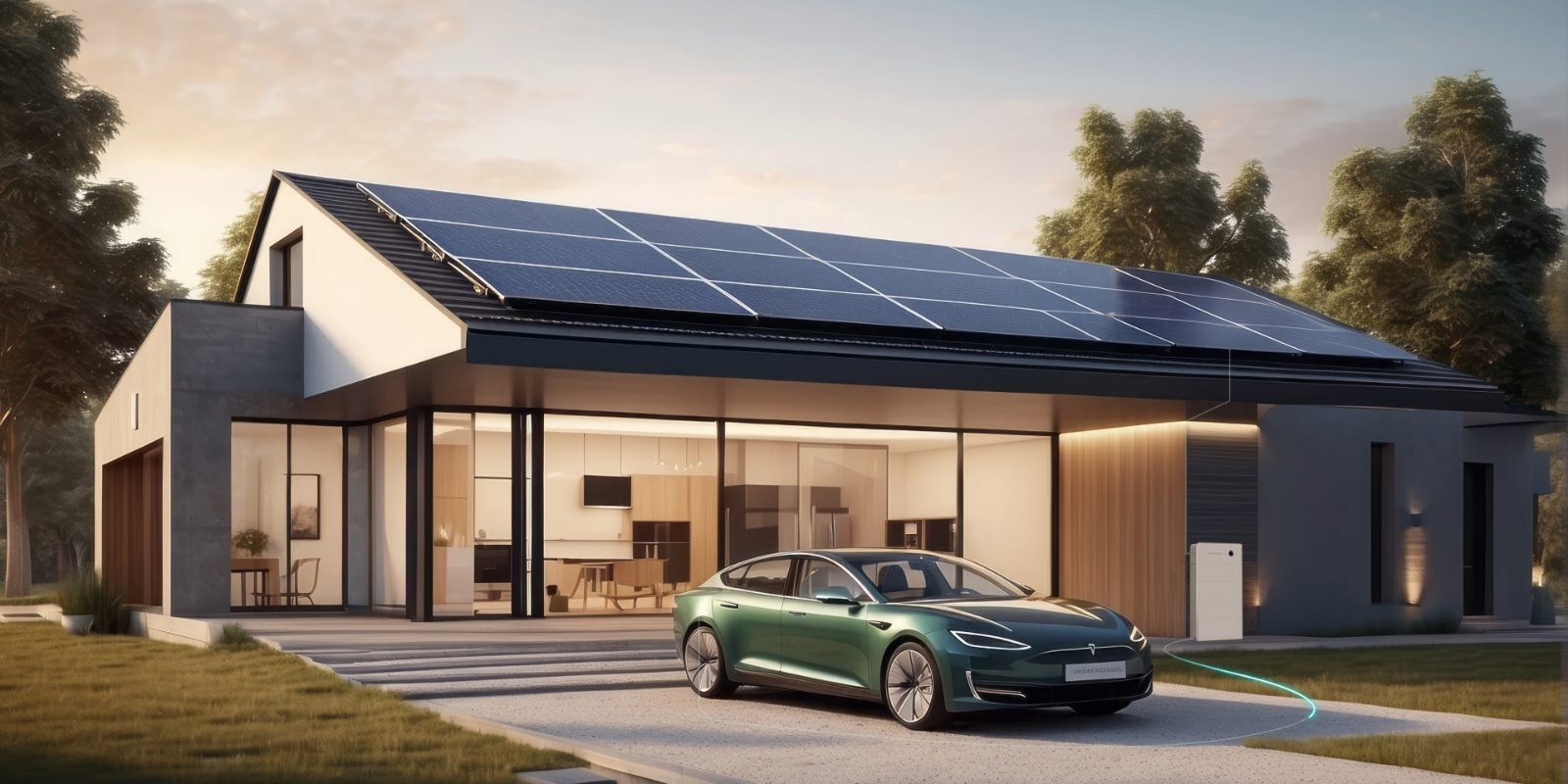 Our recommendationSigenergyOne system for solar, battery and EV chargingExplore Sigenergy →
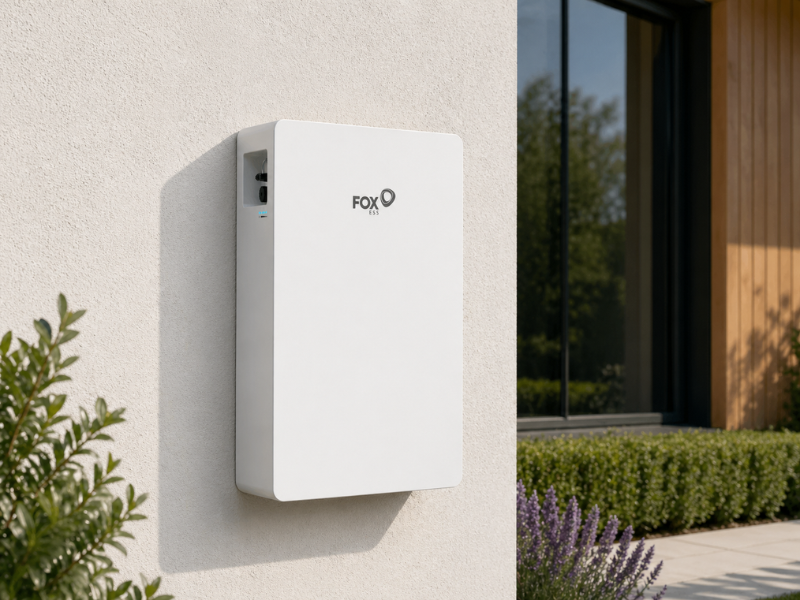 Exclusive bundleFox ESS12 Aiko all-black panels, Fox ESS battery and inverterInstalled from £6,995Get a Fox ESS quote →
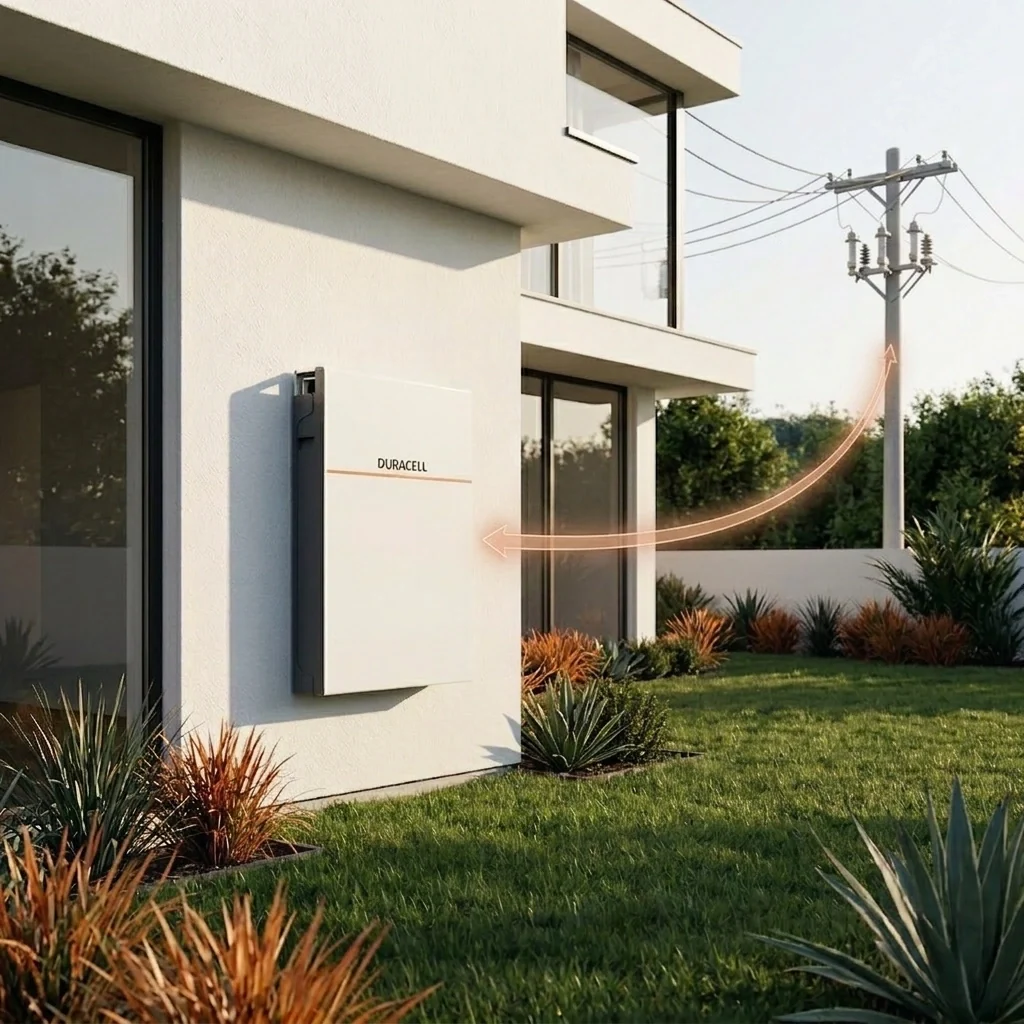 Exclusive bundleDuracell Energy5 all-black 450W panels and a 5kWh batterySupplied and fitted from £6,470Get a Duracell quote →
 Exclusive offerTeslaPowerwall 3, fully installed with a complete solar systemFrom £6,499Get a Powerwall 3 quote →
All offers are subject to eligibility, survey and availability. See the offers on our home page.
Miles has spent two decades in retrofit and has worked at scale across the UK, with long-standing relationships with local authorities including Kirklees Council, Durham County Council and Ribble Valley Borough Council. He has project-directed programmes for housing associations and delivery partners including Aspire Housing, Sureserve, LivGreen and BroadOak, and for energy suppliers including E.ON Next, Utilita, British Gas, Octopus and UKEM.