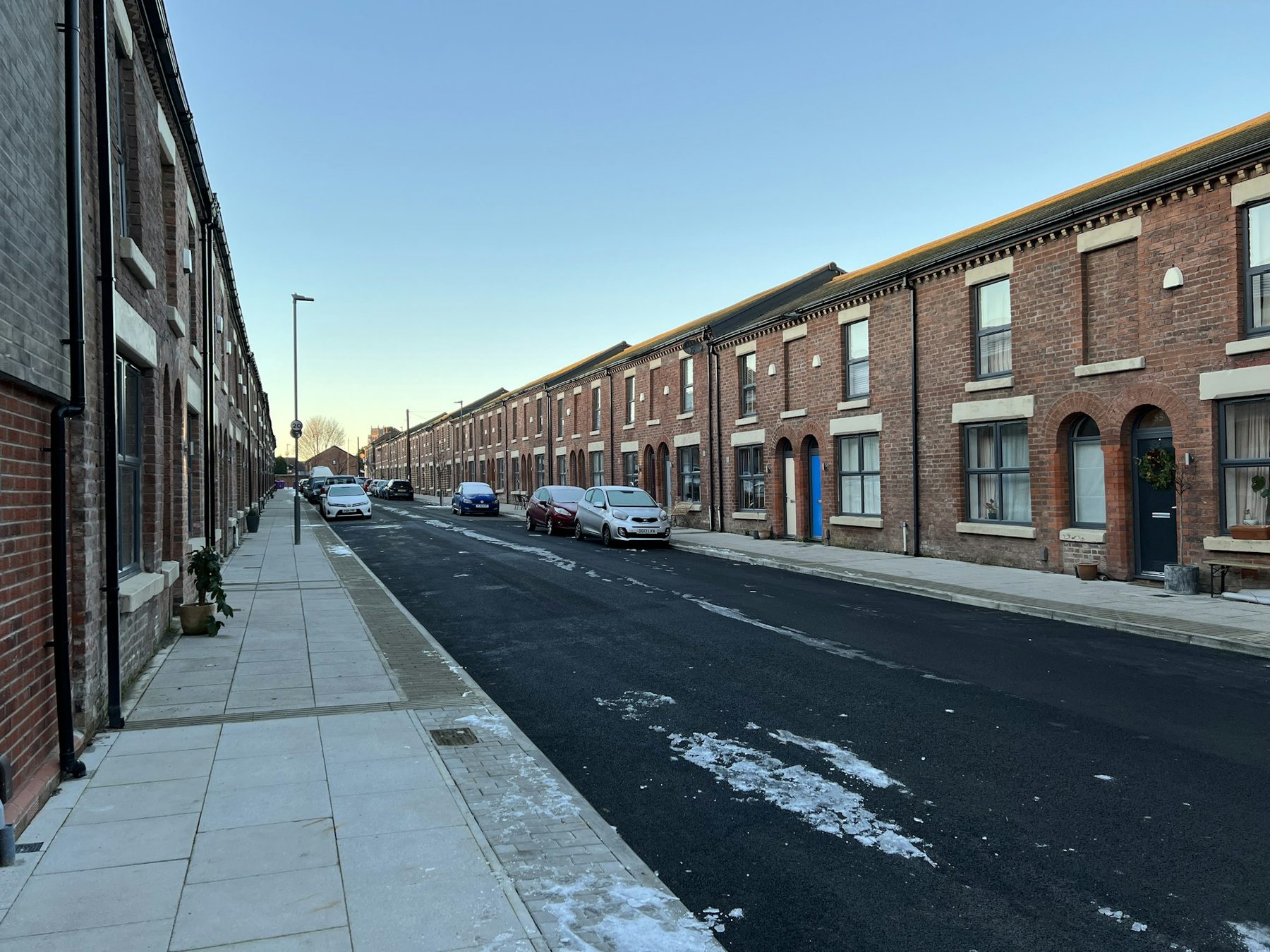
Illustrative photo.

Phase 2 of Awaab’s Law, which brings in excess cold, is due to come into force on 30 November 2026, subject to Parliamentary approval. The deadlines stay the same as for damp and mould. What changes is how many winter reports could start the clock, and how clearly landlords separate making a home safe from fixing why it is cold.
Phase 2 is due to come into force on 30 November 2026, subject to Parliamentary approval
Awaab's Law, the Hazards in Social Housing (Prescribed Requirements) (England) Regulations 2025, has applied to social landlords since 27 October 2025. Phase 1 covers damp and mould, plus emergency hazards of every kind except overcrowding. The draft amendment regulations extend the significant hazard rules to excess cold, excess heat, falls, structural collapse, fire and explosion, electrical hazards and domestic hygiene. On 21 October 2026 legislation.gov.uk still lists them as a draft that has not been made, so Phase 2 is due to come into force on 30 November 2026, subject to Parliamentary approval.
Two details matter for cold. First, a total loss of heating for a vulnerable tenant in winter can already be an emergency hazard, so the 24 hour rule is not new. Phase 2 adds the significant cases: homes that are too cold for the people in them, but not an immediate emergency. Second, the draft rewrites the test for a significant hazard as one that a reasonable landlord with the relevant knowledge would make safe within 15 working days.
The deadlines themselves stay as they are:
| Step | Deadline |
|---|---|
| Emergency hazard: investigate and make safe | Within 24 hours of becoming aware |
| Significant hazard: investigate | Within 10 working days |
| Written summary to the tenant | Within 3 working days of the investigation concluding |
| Safety work completed | Within 5 working days of the investigation concluding |
| Work to stop it coming back | Begun within 5 working days or, where that is not reasonably practicable, as soon as it is and within 12 weeks |
| Safety work cannot be done in time | Suitable alternative accommodation at the landlord's expense |
Excess cold triage depends on the person as much as the property
The government's Phase 2 triage guidance defines the hazard as the extent to which a home can keep an appropriate internal temperature, taking account of heating, insulation, ventilation and overall thermal performance. It sets no temperature thresholds. It asks what a reasonable landlord would do for the people living there.
- Significant: the tenants are likely to suffer serious health outcomes, including the worsening of existing conditions, if the problem is not fixed in time. That may include a home that cannot be adequately heated or kept at a safe temperature.
- Emergency: the tenant is particularly vulnerable or already has symptoms of cold related ill health, for example a complete loss of heating during a cold period.
The guidance lists circumstances that raise vulnerability: being 65 or older or under 5, pregnancy, chemotherapy or radiotherapy, and long term conditions that affect the heart, lungs, immune system or mental health, or that keep someone at home. It suggests prompt questions for call handlers, such as whether the heating works, whether the bedroom and living room can be kept warm, whether portable heaters are in use and whether draughts make the home hard to heat. Landlords should make sure adequate, controllable heating is available, but they are not responsible for a tenant's energy costs.
Tell us what residents are reporting and what has been installed before. We will come back within one working day with a view on what to survey first.
Make the home safe first, then fix why it is cold
The guidance expects temporary measures where they are needed as a first step, and gives providing temporary heaters while a boiler is fixed as an example. It points landlords to National Fire Chiefs Council advice on using space heaters safely. That deals with the risk to the tenant. It does not deal with the cause.
The clock on preventative work is short too. Where that work cannot start within 5 working days, the landlord must take steps within that time, such as booking contractors and ordering materials, so that it starts within 12 weeks. The Housing Ombudsman says contractor delay is not a valid reason for missing the timescales, and that landlords should not add Awaab's Law repairs onto long term capital or cyclical programmes. A cold home reported in December cannot wait for next year's retrofit phase.
Fabric work belongs in the stock plan, not on the hazard clock
The triage guidance is explicit that Awaab's Law is not intended to drive larger scale improvements to the fabric of a building, such as insulation upgrades. Those sit with the Minimum Energy Efficiency Standard, which requires social homes to reach EPC C on one of three metrics by 1 April 2030, and with the new Decent Homes Standard, due to apply from 2035, which adds a thermal comfort criterion including a heating system that heats the whole home. Awaab's Law deals with the immediate risk to a specific tenant before or after those standards are met.
Where the cause is a defect, the landlord still has to deal with it. The Phase 2 guidance for social landlords gives a broken window or door that could lead to excess cold as an example of disrepair, and says that where damp and mould comes from missing ventilation or poor insulation, the remedy can be mechanical ventilation or effective insulation. A simple sorting aid, not legal advice:
| Cause found | On the hazard clock | In the stock plan |
|---|---|---|
| Heating has failed or cannot heat the main rooms | Temporary heat, then repair | Heating sized for the home once the fabric is done |
| Broken window, door or opening | Repair or secure it | Windows and doors detailed with the insulation |
| Walls, roof or floor cannot hold heat | Make the home safe for the tenant and take advice on the preventative work required | Fabric measures, with ventilation designed first |
| Cold with damp or mould | Treat it as one issue and make safe | Ventilation and insulation designed together under PAS 2035 |
The guidance tells landlords not to worry about classifying hazards that appear together, such as damp and cold, and to focus on fixing the issue. Any work done under the clock must not compromise other safety features, such as fire compartmentation in blocks of flats.
Use this winter's reports as your survey list
Every cold report tells you something about an archetype. Record the address, the property type, what the investigation found and what was done. By spring you will have a list of homes where cold and damp keep coming back, which is a stronger starting point for a 2030 programme than EPC data alone. Survey those first, design the measures under PAS 2035 with ventilation first, then insulate. Our Awaab's Law page sets out how we find the cause, and our housing providers page shows how a programme runs from survey to handover.
Five things to do before 30 November
- Add the excess cold prompt questions and vulnerability factors to call handling and out of hours scripts.
- Review contractor agreements, as the guidance advises, so contractors know the timescales and report any hazard they find, not only the one they were sent for.
- Check you can supply temporary heaters quickly and safely, following the fire service advice.
- Agree winter response times with heating, glazing and roofing contractors, including outside normal working hours.
- Pull a list of homes with repeat cold, damp or draught reports and book surveys.
Housing associations, councils and other local authorities with their own stock all face the same date: Phase 2 is due to come into force on 30 November 2026, subject to Parliamentary approval. If you want a view on which homes to survey first, send us the details.
- legislation.gov.uk: The Hazards in Social Housing (Prescribed Requirements) (England) Regulations 2025, S.I. 2025/1042 (read 21 October 2026)
- legislation.gov.uk: Draft Hazards in Social Housing (Prescribed Requirements) (England) (Amendment) Regulations 2026 (read 21 October 2026)
- Ministry of Housing, Communities and Local Government: Awaab’s Law, Regulations as they apply from 30 November 2026 (read 21 October 2026)
- Ministry of Housing, Communities and Local Government: Awaab’s Law Phase 2, guidance for social landlords (updated 31 July 2026) (read 21 October 2026)
- Ministry of Housing, Communities and Local Government: Awaab’s Law Phase 2, guidance to support triaging of hazards (updated 31 July 2026) (read 21 October 2026)
- Housing Ombudsman: Awaab’s Law quick reference guide for landlords (read 21 October 2026)
Miles has led retrofit programmes at scale across the UK, with long-standing relationships with local authorities including Kirklees Council, Durham County Council and Ribble Valley Borough Council. He has project-directed programmes for housing associations and delivery partners including Aspire Housing, Sureserve, LivGreen and BroadOak, and for energy suppliers including E.ON Next, Utilita, British Gas and Octopus, and for tier one contractors including UKEM.